KetoEat Healthy food for fat to fit
Intermittent Fasting Diet Plan for Beginners
A simple, sustainable intermittent fasting diet plan designed for weight loss, metabolic health, and long-term results. Whether you're starting with 14:10 fasting or moving into 18:6 intermittent fasting, this guide walks you through everything step by step.


WHAT IS THE INTERMITTENT FASTING DIET?
Intermittent fasting is not a traditional diet — it’s an eating schedule. Instead of focusing on what to eat, it focuses on when you eat.
An intermittent fasting diet plan alternates between periods of eating and fasting. During fasting hours, your body shifts from using glucose (sugar) as fuel to burning stored fat.
The most popular methods include:
- 14:10 fasting (14 hours fasting, 10-hour eating window)
- 18:6 fasting
- 16:8 fasting
- 24-hour fasting (advanced)
Unlike restrictive calorie diets, intermittent fasting works with your body’s natural metabolic rhythms.
HOW DOES INTERMITTENT FASTING WORK?
An intermittent fasting diet plan works by changing when you eat rather than strictly limiting which foods you eat. When you stop eating for several hours, insulin levels begin to drop and your body gradually shifts away from burning recently consumed glucose toward accessing stored body fat for energy instead.
After approximately 12 to 14 hours without food, glycogen stores become significantly depleted and the body begins accelerating fat oxidation to compensate. This is the metabolic threshold that structured approaches like 14:10 fasting and 18:6 fasting are specifically designed to reach and maintain consistently each day.
The reason timing matters is that fat burning cannot occur at a meaningful rate while insulin is elevated. Every time you eat, insulin rises to manage blood glucose and fat burning pauses for the duration of that response. By extending the window between your last meal and your first meal of the next day, intermittent fasting creates a sustained low-insulin environment where fat oxidation operates for hours rather than minutes — improving metabolic flexibility, regulating appetite, and supporting long-term weight management.

INTERMITTENT FASTING DIET PLAN FOR BEGINNERS:
HOW TO START SAFELY
STEP 1: Start With 14:10 Fasting
If you’re new to intermittent fasting for beginners, begin with a schedule that feels manageable and realistic. Starting slowly allows your body to adjust to longer gaps between meals without unnecessary stress.
Example schedule:
Stop eating at 8 PM
First meal at 10 AM
This creates a 14-hour fasting window, often called 14:10 fasting, which is ideal for building consistency. This simple intermittent fasting approach helps your body gradually shift toward using stored fat for energy instead of relying on constant food intake.
Benefits:
Easy transition into fasting
Fewer hunger spikes throughout the day
More stable energy levels
Sustainable long term for weight management


STEP 2: Move to 18:6 Intermittent Fasting
Once you feel comfortable with a shorter fasting window, you can gradually move to 18:6 fasting. This approach extends the fasting period and shortens the eating window, which may enhance fat-burning potential.
Example schedule:
Eating window: 12 PM – 6 PM
Fasting: 6 PM – 12 PM next day
This creates an 18-hour fasting window, giving your body more time to lower insulin levels and shift into fat-burning mode. Because the eating window is shorter, many people naturally consume fewer calories without strict restriction.
18:6 intermittent fasting is often considered one of the best intermittent fasting plans for weight loss, as it supports appetite control, metabolic flexibility, and consistent fat utilisation while still being sustainable for long-term results.
STEP 3: Focus on Food Quality
Intermittent fasting is powerful — but food quality still matters.
Inside your eating window, prioritise:
- Lean proteins
- Healthy fats
- Vegetables
- Whole foods
- Adequate hydration
Avoid:
- Ultra-processed snacks
- Sugary drinks
- Refined carbs
Fasting is not an excuse to overeat junk food.

Do’s and Don’ts
BEST INTERMITTENT FASTING FOR WEIGHT LOSS
A well-structured intermittent fasting diet plan can support sustainable fat loss when combined with smart nutrition and consistent movement. The best intermittent fasting for weight loss focuses on extending fat-burning periods while maintaining muscle, balancing hormones, and preventing extreme restriction.
Structured schedules like 18:6 fasting are popular because they create a longer fasting window, allowing insulin levels to drop and stored fat to be used for energy. When combined with quality meals and lifestyle habits, intermittent fasting for weight loss becomes more effective and easier to maintain long term.
HOW TO BUILD AN EFFECTIVE INTERMITTENT FASTING PLAN
By combining a proven fasting schedule with nutrient-dense foods and regular activity, you can enhance metabolic flexibility and appetite control. The goal is not just fewer meals — but better meals and smarter movement.
Below are the key components that make an intermittent fasting diet plan effective for weight management and long-term metabolic health.
When structured correctly, the best intermittent fasting for weight loss works by creating a sustainable calorie deficit while preserving muscle mass and supporting hormonal balance. Approaches such as 18:6 fasting are particularly popular because they extend fat-burning time without requiring extreme restriction, making intermittent fasting for weight loss easier to maintain over the long term.
KEY COMPONENTS OF AN INTERMITTENT FASTING DIET PLAN

18:6 FASTING
- 18-hour fasting window
- 6-hour eating window
- Encourages fat utilisation
- Supports lower insulin levels
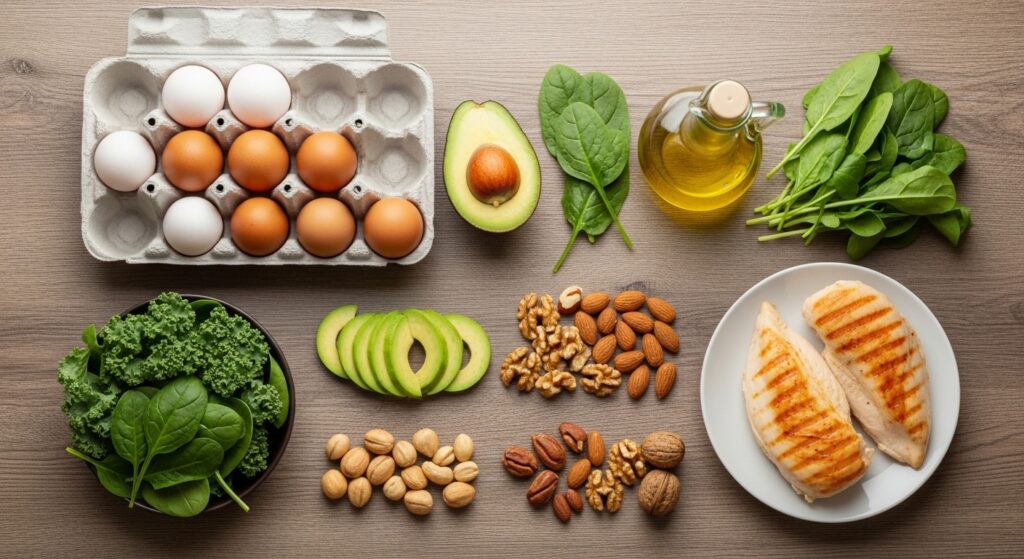
WHOLE-FOOD MEALS
- Lean proteins
- Healthy fats
- Vegetables
- Minimally processed foods
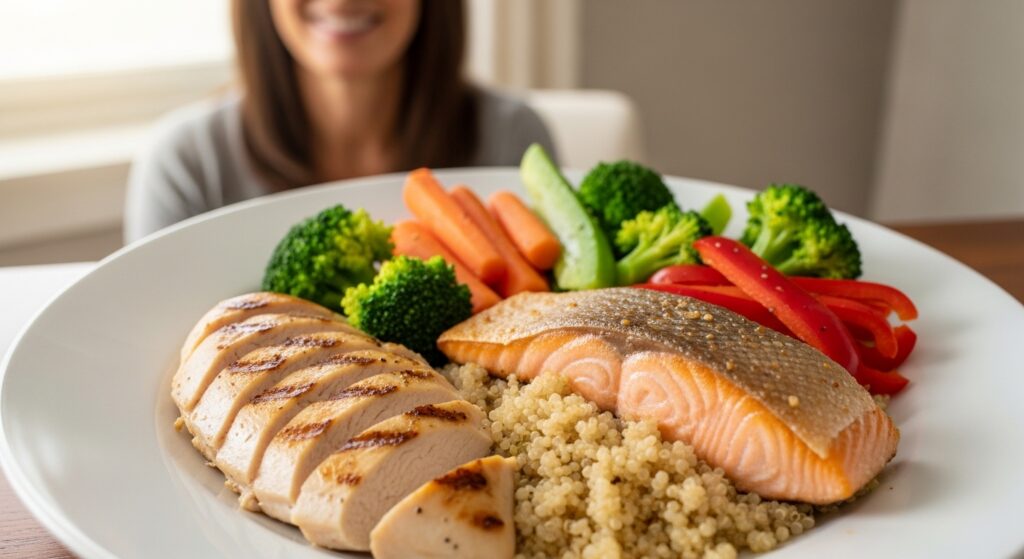
HIGH PROTEIN INTAKE
- Preserves muscle mass
- Improves satiety
- Supports metabolism
- Reduces overeating
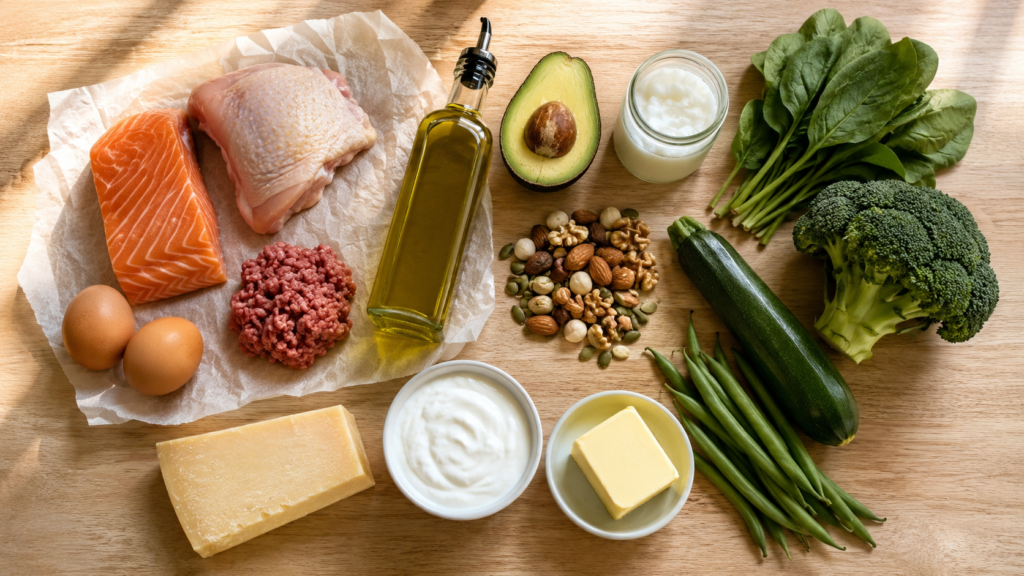
CONSISTENT MOVEMENT
- Strength training 2–4x weekly
- Daily walking
- Improves fat mobilisation
- Enhances metabolic balance
INTERMITTENT FASTING FOR WOMEN OVER 40
Hormonal shifts after 40 can affect insulin sensitivity, metabolism, and fat storage. Because of these changes, intermittent fasting for women over 40 should be approached strategically — focusing on sustainability rather than extreme restriction.


MODERATE FASTING WINDOWS
Avoid aggressive fasting schedules at the start. A balanced intermittent fasting diet plan using 14:10 fasting often works better than jumping straight into 18:6 fasting. Gradual adaptation reduces stress and supports hormonal balance.
PRIORITISE PROTEIN-RICH MEALS
Protein becomes increasingly important after 40. Including adequate protein during your eating window helps preserve lean muscle, stabilise blood sugar, and reduce cravings, making intermittent fasting for weight loss more effective.
PAIR WITH STRENGTH TRAINING
Resistance training 2–4 times per week helps counter age-related muscle loss and supports metabolic health. Combining strength training with intermittent fasting for women over 40 enhances fat utilisation while maintaining muscle mass.
FOCUS ON SLEEP QUALITY
Sleep plays a critical role in hormonal regulation and appetite control. Poor sleep can increase cortisol levels and make weight management more difficult. Prioritising rest improves the long-term success of any intermittent fasting diet plan.
CHOOSE SUSTAINABLE SCHEDULES
For many women, 14:10 fasting provides steady results without excessive stress on the body. More aggressive approaches like 18:6 fasting may work for some, but consistency and balance are more important than intensity.

Free Keto Recipe Book (Start Today)
Get quick, easy keto recipes for fat loss. Perfect for beginners who want simple meals without complicated planning.
Thank you!
You have successfully joined our subscriber list.
BEST INTERMITTENT FASTING FOR MENOPAUSE
During menopause, hormonal shifts can reduce insulin sensitivity, slow metabolism, and make fat storage more noticeable — especially around the abdomen. Because of these changes, the best intermittent fasting for menopause focuses on balance rather than aggressive restriction. Moderate schedules such as 14:10 or 16:8 fasting are often more sustainable than extended fasting windows. Pairing structured fasting with balanced meals that include adequate protein and healthy fats helps stabilise blood sugar and preserve lean muscle mass. Stress management and proper sleep are equally important, as long fasting windows can elevate cortisol levels if not managed carefully. For menopausal women, sustainability is more effective than extremity when building an intermittent fasting diet plan that supports long-term metabolic health.
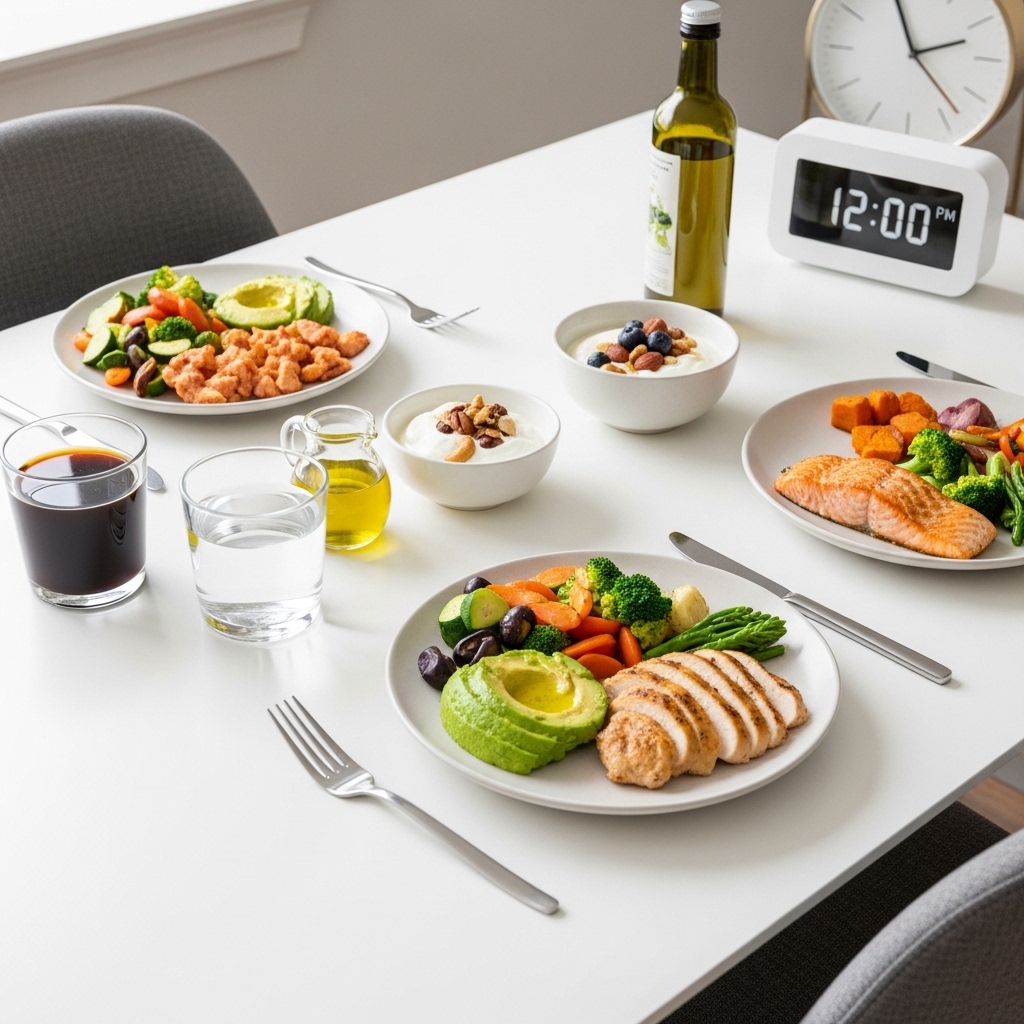
SIMPLE INTERMITTENT FASTING DAILY MEAL PLAN
18:6 fasting schedule:
Fasting:
Black coffee (no sugar)
Water
Herbal tea
Electrolytes (optional)
12 PM – First Meal:
Grilled chicken or eggs
Avocado
Mixed vegetables
Olive oil dressing
3 PM – Snack (optional):
Greek yogurt
Nuts
Berries
5:30 PM – Final Meal:
Salmon or lean beef
Steamed vegetables
Sweet potato (optional depending on goal)

BENEFITS OF INTERMITTENT FASTING
Many individuals follow an intermittent fasting diet plan for both physical and metabolic benefits. When structured properly, intermittent fasting for weight loss can support sustainable fat reduction while improving overall metabolic balance.
Weight Loss Support
Shortened eating windows may naturally reduce calorie intake and encourage the body to use stored fat for energy.
Improved Insulin Sensitivity
Fasting periods allow insulin levels to decline, helping regulate blood sugar and support metabolic health.
Enhanced Metabolic Flexibility
Intermittent fasting trains the body to switch efficiently between burning carbohydrates and fat for fuel.
Reduced Hunger and Cravings
Consistent fasting schedules may improve appetite regulation and reduce frequent snacking.
Simplified Meal Planning
Fewer meals often reduce decision fatigue, making healthy eating easier to maintain.
Consistency matters more than perfection. Sustainable routines lead to long-term results.

WHO SHOULD AVOID INTERMITTENT FASTING?
Although an intermittent fasting diet plan can provide benefits, it is not suitable for everyone. Individual health status, hormonal balance, and medical history should always be considered before beginning intermittent fasting for weight loss.
Pregnant or Breastfeeding Women
Increased nutritional demands during this period require consistent energy intake.
Individuals with Eating Disorders
Structured fasting may trigger unhealthy patterns or restrictive behaviours.
Underweight Individuals
Extended fasting may worsen nutritional deficiencies or energy imbalance.
People with Certain Medical Conditions
Metabolic, hormonal, or chronic conditions may require medical supervision.
Those on Specific Medications
Some prescriptions require food intake for safety and effectiveness.
Consult a qualified healthcare professional if you are unsure whether intermittent fasting is appropriate for you.
FREQUEnTLY ASKED QUESTIONS
An intermittent fasting diet plan is a structured eating schedule that alternates between fasting periods and eating windows. Instead of focusing only on what you eat, it emphasises when you eat. Popular approaches include 14:10 fasting and 18:6 intermittent fasting, both designed to support weight loss and metabolic health.
Yes, intermittent fasting for weight loss can be effective because it naturally reduces calorie intake and helps lower insulin levels. Structured plans like 18:6 fasting may increase fat-burning time while improving appetite control.
The best intermittent fasting for weight loss depends on your lifestyle and metabolic needs. Many people find 18:6 intermittent fasting effective, while beginners may prefer starting with 14:10 fasting for a more sustainable transition.
14:10 fasting includes a 14-hour fasting window and a 10-hour eating period, making it ideal for intermittent fasting for beginners. 18:6 fasting shortens the eating window to 6 hours, potentially extending fat-burning time and supporting faster results.
Intermittent fasting for beginners is generally safe when started gradually. A simple intermittent fasting schedule like 14:10 allows the body to adapt without excessive stress. Those with medical conditions should consult a healthcare professional first.
A simple intermittent fasting plan involves stopping food intake after 8 PM and eating your first meal at 10 AM the next day (14:10 fasting). This approach helps build consistency before progressing to 16:8 or 18:6 intermittent fasting.
Yes, intermittent fasting for women over 40 can support metabolic health and weight management. Moderate schedules such as 14:10 or 16:8 are often more sustainable than longer fasting windows.
The best intermittent fasting for menopause focuses on balance rather than extreme restriction. Many women benefit from 14:10 or 16:8 fasting combined with protein-rich meals and stress management to support hormonal stability.
Results from an intermittent fasting plan vary by individual. Some people notice improved energy and appetite control within 1–2 weeks, while noticeable weight changes may take several weeks of consistent 18:6 fasting or similar schedules.
Yes, an intermittent fasting diet plan can be combined with balanced eating patterns such as higher-protein or lower-carb meals. The key is maintaining a sustainable schedule that supports long-term health rather than extreme restriction.