KetoEat Healthy food for fat to fit
Keto Diet Plan for Beginners
Learn how to start a structured and sustainable keto diet plan with Keto Framework, your step-by-step system for achieving real fat loss. Understand how ketosis works, avoid common beginner mistakes, and follow a practical keto meal plan designed for consistency and results. Discover the true benefits of the keto diet, from improved energy levels to long-term weight management, all built around a framework that helps you stay on track and see measurable progress.

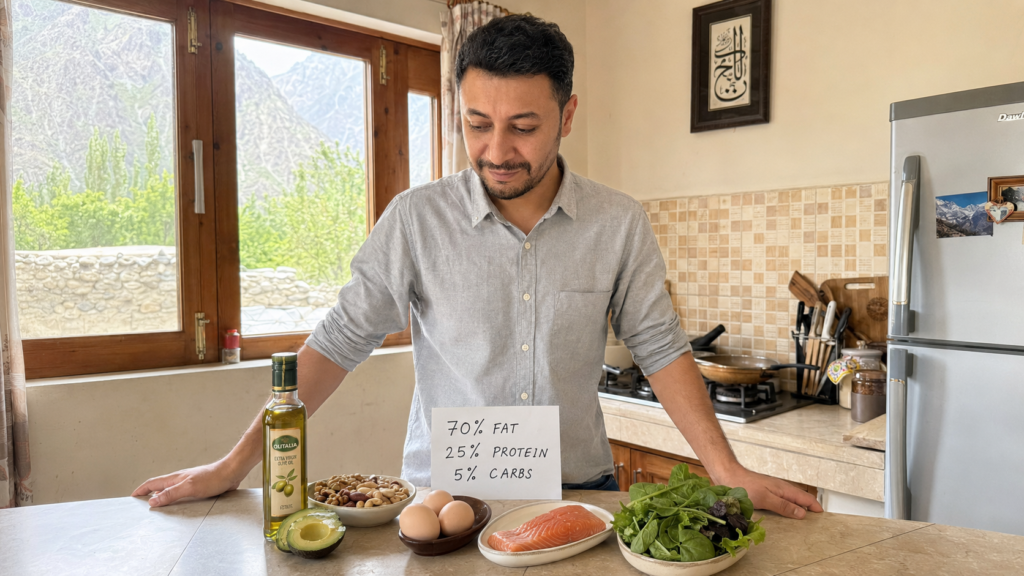
What Is the Keto Diet?
The ketogenic diet (keto diet) is a low-carbohydrate, moderate-protein, and high-fat dietary approach designed to shift your body’s primary energy source from glucose to fat. By significantly reducing carbohydrate intake, your body enters a metabolic state where it begins burning fat for fuel instead of relying on sugar. Typically, the macronutrient distribution consists of 70–75% fats, 20–25% protein, and 5–10% carbohydrates. This specific balance helps trigger ketosis, a process in which the liver converts fat into ketones, providing an efficient alternative energy source for the body.
How Does Ketosis Work?
Under normal conditions, your body primarily burns carbohydrates as its main source of fuel. However, when carbohydrate intake drops significantly, glycogen stores become depleted, insulin levels decrease, and the liver begins converting stored fat into ketones. As this process continues, the body gradually adapts to using fat and ketones as its primary energy source instead of glucose. This metabolic shift is what makes a keto diet plan fundamentally different from traditional low-fat dieting, as it focuses on changing how the body generates and utilizes energy.

Keto Diet for Beginners: How to Start Safely
Starting keto does not require extreme measures. The key is structured adjustment rather than sudden restriction.
Step 1: Reduce Carbohydrates Gradually
Eliminate or reduce:
- Bread, pasta, rice
- Sugary drinks and snacks
- Pastries and sweets
- High-carb processed foods
Most beginners aim for 20–50 grams of net carbs per day.


Step 2: Increase Healthy Fats
Examples include:
Olive oil
Avocados
Coconut oil
Butter and ghee
Nuts and seeds
Fatty fish (salmon, mackerel)
Step 3: Maintain Moderate Protein
Good sources:
- Eggs
- Chicken and turkey
- Beef and lamb
- Fish
- Full-fat Greek yogurt

Do’s and Don’ts
Keto Food List: What to Eat and What to Avoid
A structured keto food list simplifies meal planning, removes guesswork, and helps you stay consistent with your goals. Because the keto diet plan relies on a precise balance of high fats, moderate protein, and very low carbohydrates, knowing exactly which foods support ketosis — and which ones can disrupt it — is essential. Even small amounts of hidden carbs from processed foods, sauces, or snacks can slow progress and prevent your body from maintaining fat-burning mode.
How to Build a Smart Keto Grocery Strategy
By following a clear “what to eat” and “what to avoid” framework, you can confidently build meals that support steady energy levels, reduce cravings, and promote long-term success. A well-organized keto food list also makes grocery shopping easier, improves portion control, and helps beginners transition smoothly into ketosis without feeling overwhelmed.
In the sections below, you’ll find practical guidance on keto-friendly foods that fuel your body efficiently, along with high-carb foods that should be limited or eliminated to maintain metabolic balance.
Keto-Friendly Foods
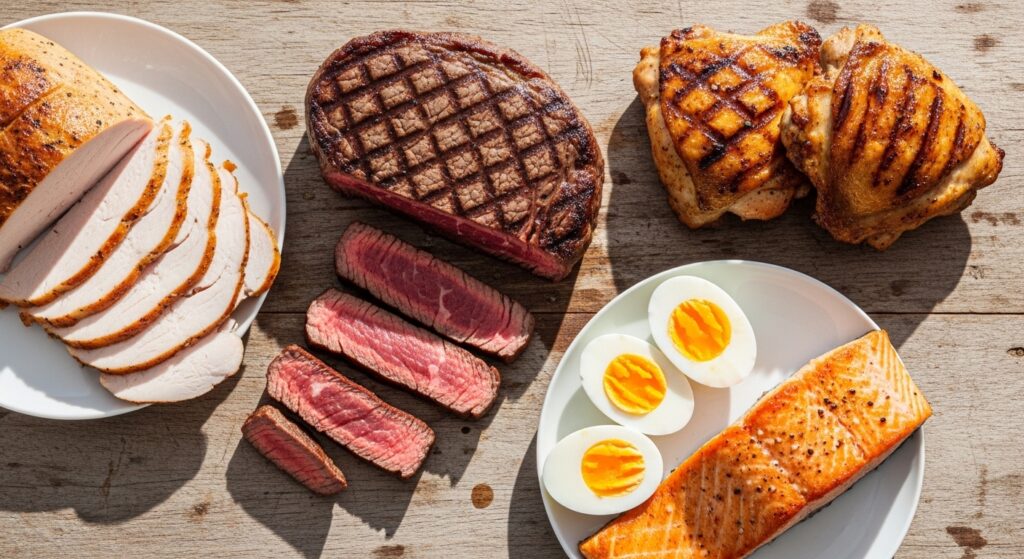
Proteins
Grass-fed beef
Chicken thighs
Turkey
Eggs
Salmon and sardines
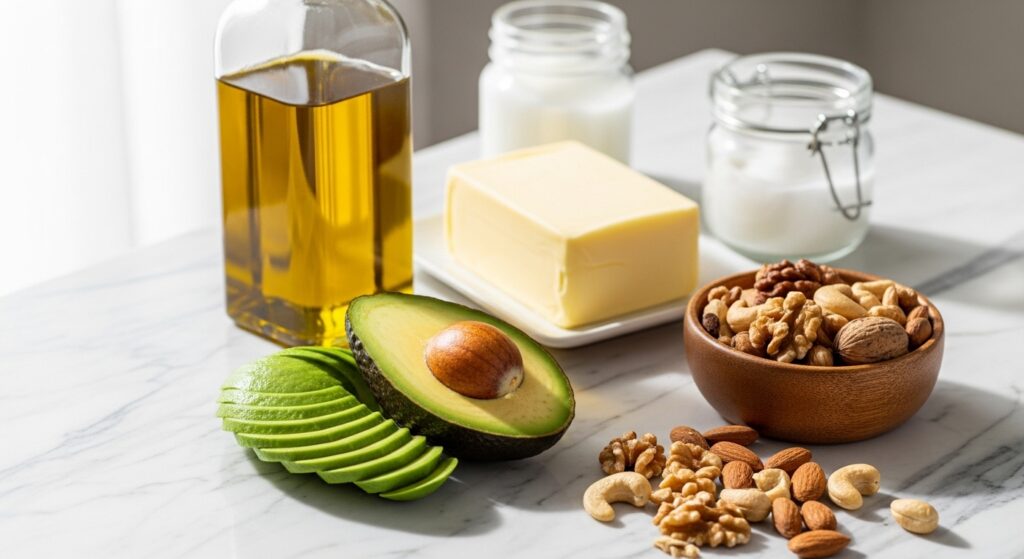
Healthy Fats
Olive oil
Avocados
Butter
Coconut oil
Nuts and seeds
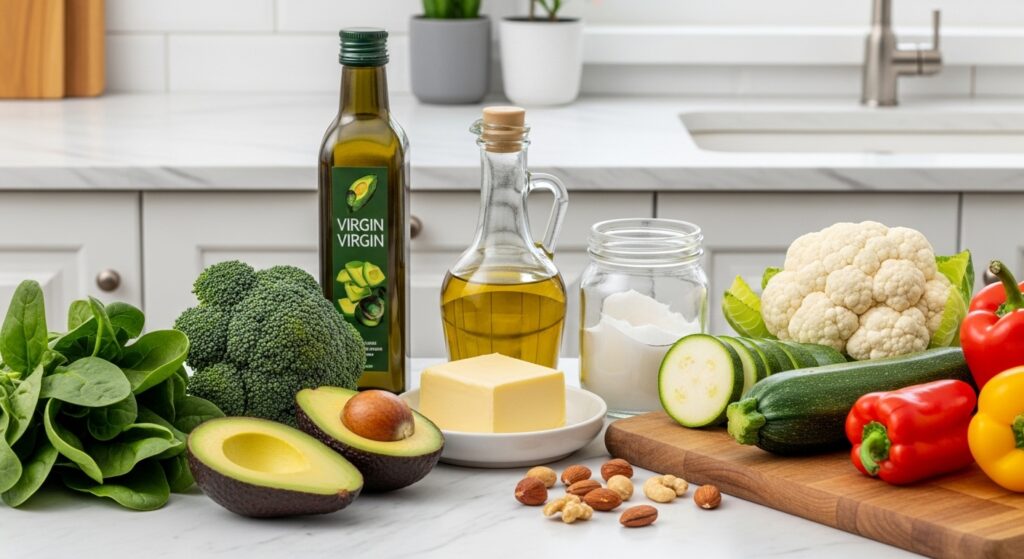
Low-Carb Vegetables
Spinach
Broccoli
Zucchini
Cauliflower
Courgettes
Bell peppers
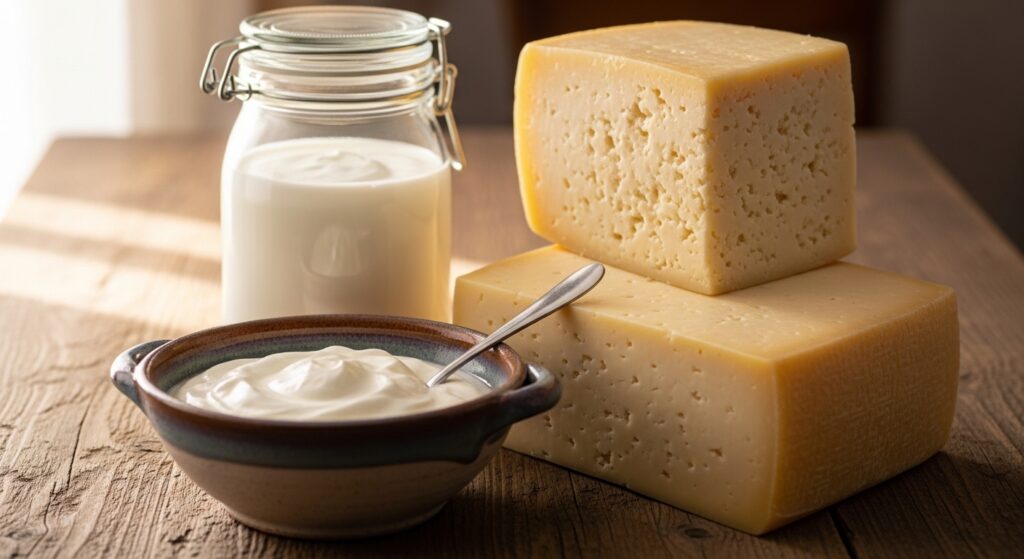
Dairy (Full-Fat)
Cheese
Cream
Greek yogurt
Foods to Limit or Avoid


Sugar and Sweets
Sugary foods such as candy, pastries, desserts, and sweetened beverages are high in simple carbohydrates. These rapidly increase blood sugar and insulin levels, which can interrupt ketosis and make it harder to follow a structured keto diet plan consistently.
White Bread and Pasta
White bread, traditional pasta, and other refined grain products are heavily processed and rich in carbohydrates. Because they break down quickly into glucose, they can prevent the body from shifting into fat-burning mode.
Rice
Rice is a common staple in many diets, but it contains a high amount of starch and carbohydrates. Even small portions can significantly increase daily carb intake, making it difficult to maintain ketosis.
Potatoes
Potatoes and similar starchy vegetables are naturally high in carbohydrates. Their starch content converts rapidly into glucose in the body, which can slow fat utilization and interfere with a keto diet plan.
Sugary Fruits
Certain fruits, particularly tropical varieties and fruit juices, contain high levels of natural sugars. While nutritious in other contexts, their carbohydrate content can easily exceed keto-friendly limits.
Ultra-Processed Snacks
Packaged snacks often contain hidden sugars, refined flours, seed oils, and artificial additives. These ingredients can increase carbohydrate intake unexpectedly and make long-term adherence to a keto diet plan more challenging.

Free Keto Recipe Book (Start Today)
Get quick, easy keto recipes for fat loss. Perfect for beginners who want simple meals without complicated planning.
Thank you!
You have successfully joined our subscriber list.
Building a Simple Keto Meal Plan
A keto meal plan does not need to be complicated or restrictive. The key is to focus on simple, balanced combinations of moderate protein, healthy fats, and low-carb vegetables at each meal. By keeping your food choices straightforward, you can maintain the correct macronutrient ratio without constantly tracking every detail.
Start with a quality protein source such as eggs, chicken, beef, or fish, add a generous portion of healthy fats like olive oil, avocado, butter, or nuts, and include fiber-rich, low-carb vegetables such as spinach, broccoli, zucchini, or cauliflower. This approach ensures your meals are satisfying, nutrient-dense, and supportive of ketosis. With a consistent structure in place, planning becomes easier, grocery shopping becomes faster, and long-term adherence to your keto meal plan becomes far more sustainable.
1-Day Keto Meal Plan
Breakfast:
Eggs cooked in olive oil with spinach and avocado.
Lunch:
Grilled chicken salad with leafy greens, feta cheese, nuts, and olive oil dressing.
Dinner:
Baked salmon with roasted broccoli and butter.
Optional Snack:
Handful of almonds or full-fat Greek yogurt.


Benefits of Keto Diet
Many individuals follow a keto diet plan for both physical and metabolic benefits.
Fat Loss Support
By lowering insulin levels and encouraging fat utilization, keto may support sustainable fat loss when paired with appropriate calorie balance.
Stable Energy Levels
Ketones provide a steady source of energy, which may reduce blood sugar fluctuations and mid-day crashes.
Reduced Hunger and Cravings
Higher fat and protein intake often improves satiety, helping reduce frequent hunger.
Metabolic Health Improvements
Some research suggests ketogenic diets may positively impact triglyceride levels, blood sugar control, and insulin sensitivity in certain individuals.
What to Buy in European Supermarkets
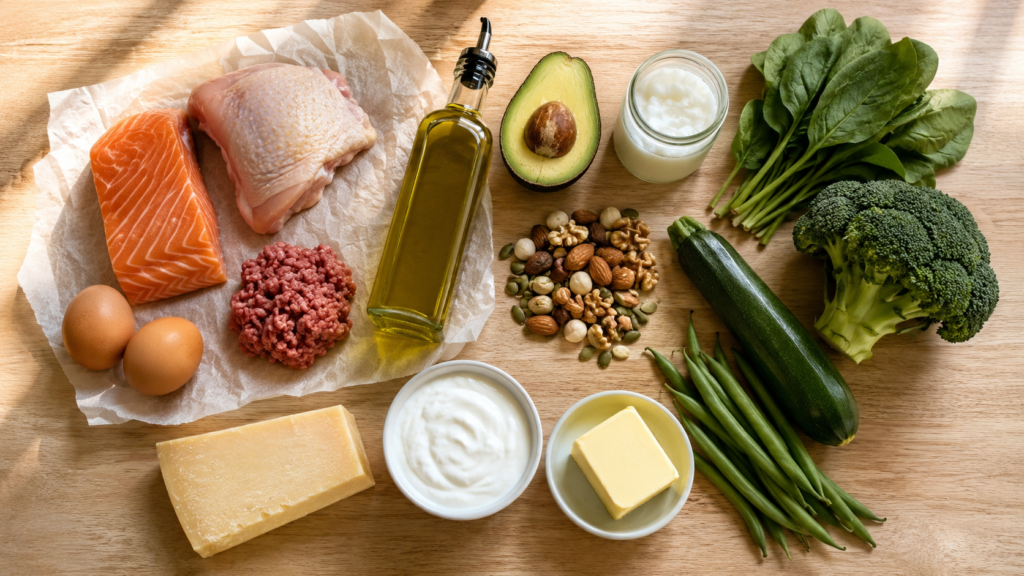
Commonly available keto staples include:
- Fresh leafy greens
- Courgettes and cauliflower
- Eggs
- Grass-fed meats
- Olive oil (extra virgin)
- Cheese and full-fat dairy
- Fresh fish
Most major European supermarkets stock everything required for a structured keto meal plan. Prioritize fresh ingredients over heavily marketed “keto” processed products.
FREQUEnTLY ASKED QUESTIONS
A keto diet plan is a structured low-carbohydrate, high-fat eating approach designed to help the body enter ketosis, where fat becomes the primary fuel source instead of carbohydrates. It includes a clear keto food list, balanced macronutrients, and a practical keto meal plan to support sustainable fat loss.
Yes, the keto diet for beginners can be safe and effective when started gradually. Following a structured keto diet plan with clear meal planning and food guidelines helps reduce confusion and improves consistency during the transition phase.
Most keto diet plans recommend limiting net carbohydrates to 20–50 grams per day. The exact amount may vary depending on your goals, activity level, and metabolic response.
A standard keto food list includes healthy fats (olive oil, avocado), moderate protein sources (eggs, poultry, fish), and low-carb vegetables (spinach, broccoli, zucchini). High-sugar and starchy foods are typically avoided.
A simple keto meal plan includes meals built around protein, healthy fats, and low-carb vegetables. For example, eggs with avocado for breakfast, grilled chicken salad for lunch, and salmon with roasted vegetables for dinner.
The benefits of keto diet may include improved fat utilization, more stable energy levels, reduced cravings, and better appetite control. Some individuals also experience improvements in metabolic markers when following a structured keto diet plan.
Yes, creating a keto grocery list Europe shoppers can follow is simple. Most supermarkets in the UK, Germany, France, Italy, and Spain offer fresh meats, eggs, olive oil, leafy greens, and full-fat dairy — all suitable for a keto diet plan.
Most people enter ketosis within 2–7 days of following a strict keto diet plan with reduced carbohydrate intake. Consistency and proper macro balance are important during this adaptation phase.
Not necessarily. Keto recipes easy to prepare often use simple whole ingredients such as eggs, chicken, fish, vegetables, and healthy fats. Complex cooking is not required for success.
For most healthy adults, a well-balanced keto diet plan can be maintained long term. However, individuals with medical conditions should consult a healthcare professional before making significant dietary changes.