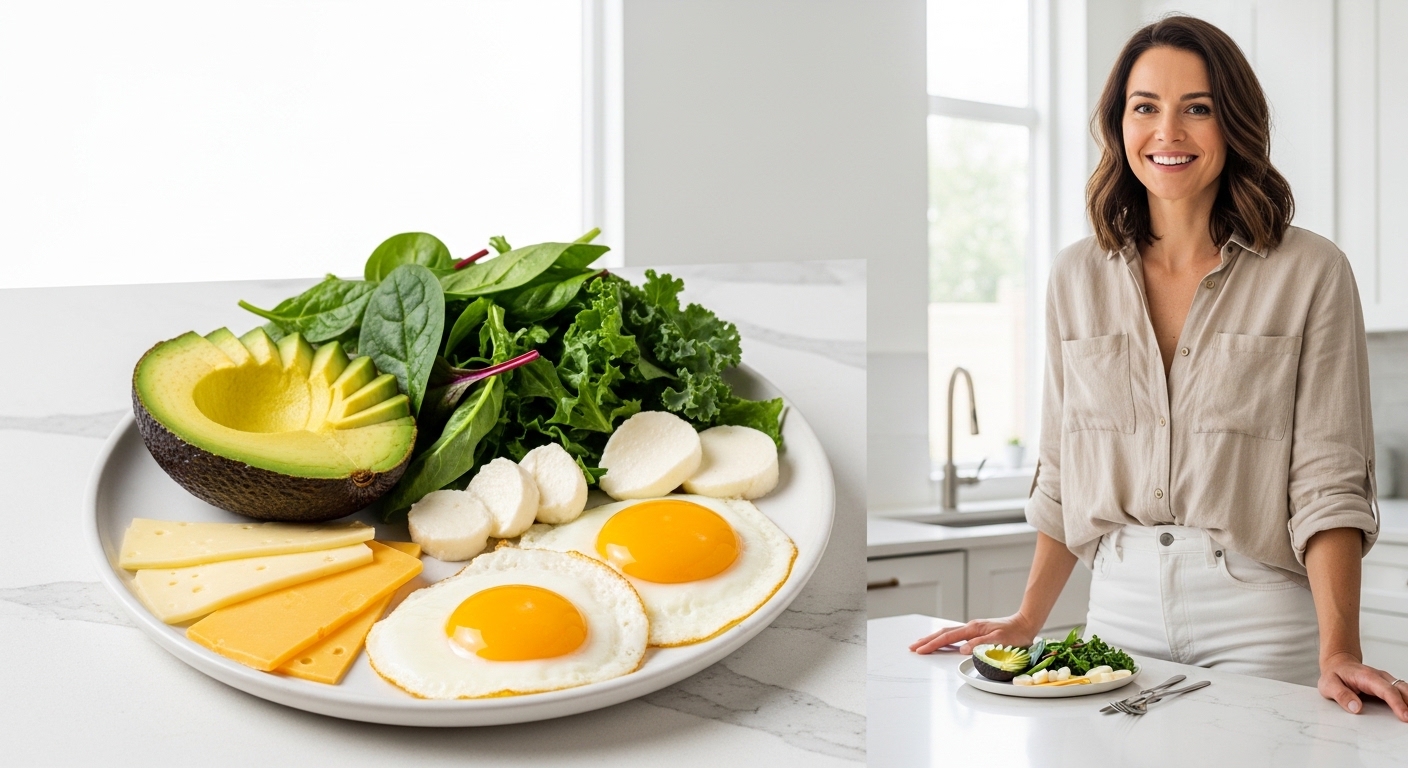
Following a vegetarian keto diet plan might sound challenging at first. The ketogenic diet focuses on high fat, moderate protein, and very low carbohydrates, while vegetarian diets eliminate meat and sometimes fish. Because many vegetarian protein sources contain carbohydrates, combining these two dietary approaches can seem difficult.
However, a vegetarian keto diet plan is possible with the right food choices and careful meal planning. By focusing on low-carb plant foods, dairy products, eggs, and healthy fats, many people successfully follow a vegetarian version of the ketogenic diet.
This guide explains how a vegetarian keto diet works, what foods to include, and how to structure meals to maintain ketosis while avoiding meat.
If you are new to keto, understanding a complete keto diet plan can help you structure your meals more effectively before adapting it to a vegetarian lifestyle.
If you’re starting keto and want simple meal ideas, you can download my free Keto Recipe eBook with beginner-friendly recipes to make weekly meal planning easier.

A vegetarian keto diet combines two dietary patterns:
• vegetarian eating, which excludes meat and fish
• ketogenic nutrition, which limits carbohydrates and emphasizes healthy fats
The goal is to maintain ketosis while following a plant-focused diet.
Most vegetarian keto plans include:
• eggs
• dairy products
• low-carb vegetables
• nuts and seeds
• healthy fats
Because traditional vegetarian diets often include grains, beans, and starchy vegetables, those foods are usually limited or avoided on keto due to their carbohydrate content.
Is a Vegetarian Keto Diet Plan Possible?
Yes, it is possible to follow a vegetarian keto diet plan, but it requires more careful planning than a standard ketogenic diet.
The biggest challenge comes from finding protein sources that are both vegetarian and low in carbohydrates. Many plant proteins such as lentils, beans, and chickpeas contain too many carbs to fit easily within keto limits.
Fortunately, several vegetarian foods work well for keto, including:
• eggs
• cheese
• Greek yogurt
• tofu
• nuts and seeds
When combined with healthy fats and low-carb vegetables, these foods can help maintain ketosis.
Keto Macronutrient Structure for Vegetarians
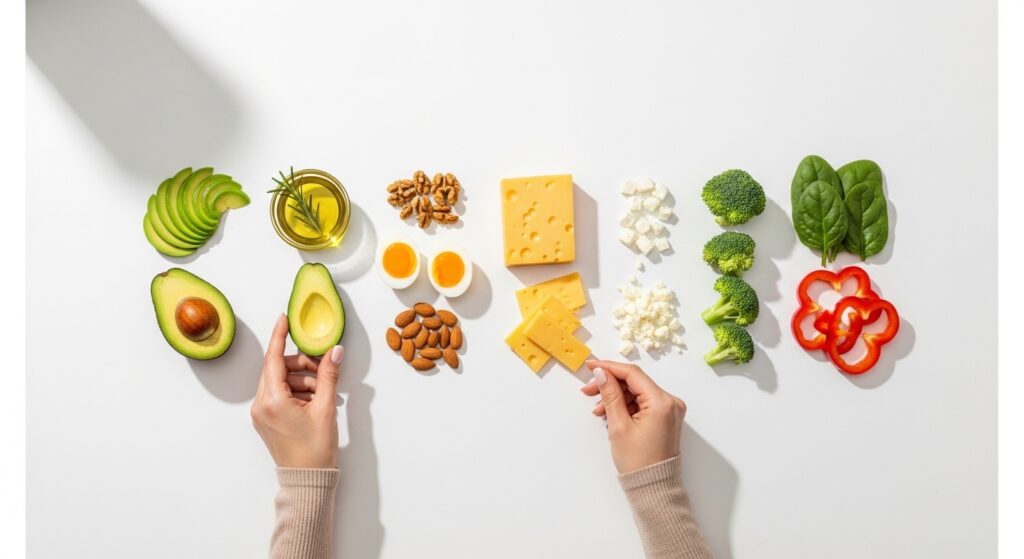
A vegetarian ketogenic diet still follows the basic macronutrient structure used in keto nutrition.
Typical keto macros include:
Fat
70–75% of daily calories
Protein
20–25% of calories
Carbohydrates
5–10% of calories
To maintain ketosis, most people limit carbohydrate intake to around 20–30 grams per day.
Because vegetarian diets rely more heavily on plant foods, it becomes important to choose vegetables and protein sources that are naturally low in carbohydrates.
Best Foods for a Vegetarian Keto Diet Plan
A successful vegetarian keto diet plan focuses on foods that provide healthy fats and moderate protein while keeping carbs low.
Eggs
Eggs are one of the most versatile foods in vegetarian keto diets. They provide high-quality protein and healthy fats with minimal carbohydrates.
They can be used in:
• omelets
• salads
• scrambled egg breakfasts
Dairy Products
Many dairy foods work well on keto.
Examples include:
• cheese
• Greek yogurt (full fat)
• heavy cream
• butter
These foods provide both fat and protein while supporting ketosis.
Low-Carb Vegetables
Vegetables remain important in vegetarian keto diets because they provide fiber, vitamins, and minerals.
Common keto vegetables include:
• spinach
• broccoli
• zucchini
• cauliflower
• mushrooms
These vegetables are naturally low in carbohydrates and can be included in most keto meals.
Nuts and Seeds
Nuts and seeds provide healthy fats and moderate protein.
Examples include:
• almonds
• walnuts
• chia seeds
• flaxseeds
• pumpkin seeds
Because nuts contain some carbohydrates, portion sizes should be controlled.
Healthy Fats
Healthy fats play a central role in ketogenic nutrition.
Examples include:
• olive oil
• avocado
• coconut oil
• butter
These fats help maintain energy levels while keeping carbohydrates low.
Refer to a complete keto food list to better understand which vegetarian foods fit within keto guidelines.
Foods to Avoid on a Vegetarian Keto Diet

Certain vegetarian foods are usually avoided on keto because they contain too many carbohydrates.
Examples include:
• beans and lentils
• chickpeas
• rice and grains
• potatoes
• sugary fruits
Although these foods can be nutritious in other diets, they may prevent the body from entering ketosis due to their carbohydrate content.
Sample Vegetarian Keto Diet Plan
Below is a simple example of how a vegetarian keto diet plan might look over the course of a day.
Breakfast
Spinach and cheese omelet cooked in butter
Lunch
Zucchini noodles with pesto and grilled tofu
Dinner
Cauliflower stir fry with mushrooms and avocado
Snack
Handful of almonds or Greek yogurt
This structure keeps carbohydrates low while providing enough fat and protein to support ketosis.
Want more meal ideas? Download a free keto recipe ebook with easy vegetarian keto meals you can start today.
Nutritional Challenges of a Vegetarian Keto Diet

Although a vegetarian keto diet is possible, there are a few challenges to consider.
Limited Protein Sources
Without meat or fish, protein options become more limited. Eggs, dairy, tofu, and nuts often become the main protein sources.
Balancing protein intake while maintaining low carbohydrates requires careful planning.
Micronutrient Considerations
Some nutrients commonly found in animal foods may require attention in vegetarian diets.
Examples include:
• vitamin B12
• iron
• omega-3 fatty acids
Including a variety of foods and considering supplementation when necessary can help address these needs.
Tips for Following a Vegetarian Keto Diet Plan
Maintaining a vegetarian keto diet becomes easier with a few practical strategies.
Plan meals in advance
Meal planning helps ensure that meals stay within keto carb limits.
Focus on whole foods
Whole foods provide better nutrition than heavily processed alternatives.
Use healthy fats generously
Healthy fats help maintain energy levels on keto.
Track carbohydrates
Monitoring carbohydrate intake ensures meals remain within ketosis limits.
Benefits of a Vegetarian Keto Diet
Many people choose a vegetarian keto diet plan for several potential benefits.
Some individuals report:
• improved metabolic health
• reduced appetite
• stable energy levels
• better blood sugar control
Additionally, plant-focused diets may provide higher levels of fiber and certain micronutrients compared with meat-heavy diets.
Is a Vegetarian Keto Diet Right for You?
A vegetarian ketogenic diet may be suitable for people who want to reduce carbohydrates while avoiding meat.
However, it may require more planning compared with traditional keto diets.
Choosing nutrient-dense foods, monitoring carbohydrate intake, and maintaining balanced meals can help make the diet sustainable over time.
Final Thoughts

Following a vegetarian keto diet plan is entirely possible with the right combination of foods and careful meal planning.
By focusing on eggs, dairy, healthy fats, nuts, and low-carb vegetables, many people successfully maintain ketosis while following a vegetarian lifestyle.
Although the diet may require some adjustments, it offers a flexible approach for individuals who want to combine the principles of ketogenic nutrition with plant-based eating.
With consistent planning and balanced meals, a vegetarian keto diet can support both metabolic health and long-term dietary preferences.
Free Keto Recipe eBook
Starting keto can feel confusing at first. Download our free recipe guide with simple low-carb meals designed to help you stay in ketosis without complicated cooking.
“Download Easy Keto Recipes for Beginners”