
Starting the ketogenic diet can feel overwhelming at first. Many beginners ask the same question:
“What exactly can I eat on keto?”
The ketogenic diet is built around one simple principle: reduce carbohydrates dramatically and replace them with healthy fats. When this happens, your body enters a metabolic state called ketosis, where it burns fat for energy instead of glucose.
However, success on keto depends largely on choosing the right foods. Eating the wrong foods — even healthy ones — can raise your carbohydrate intake and prevent ketosis.
This complete keto food list will help you understand:
- The best foods to eat on keto
- Which foods help maintain ketosis
- Foods that can secretly increase carbs
- What to avoid on a ketogenic diet
At the end of this guide, you’ll also find a printable keto food list PDF you can use for grocery shopping.
If you’re new to keto, it’s helpful to understand how a complete keto diet plan works before choosing the right foods.
Understanding Keto Macros Before Choosing Foods
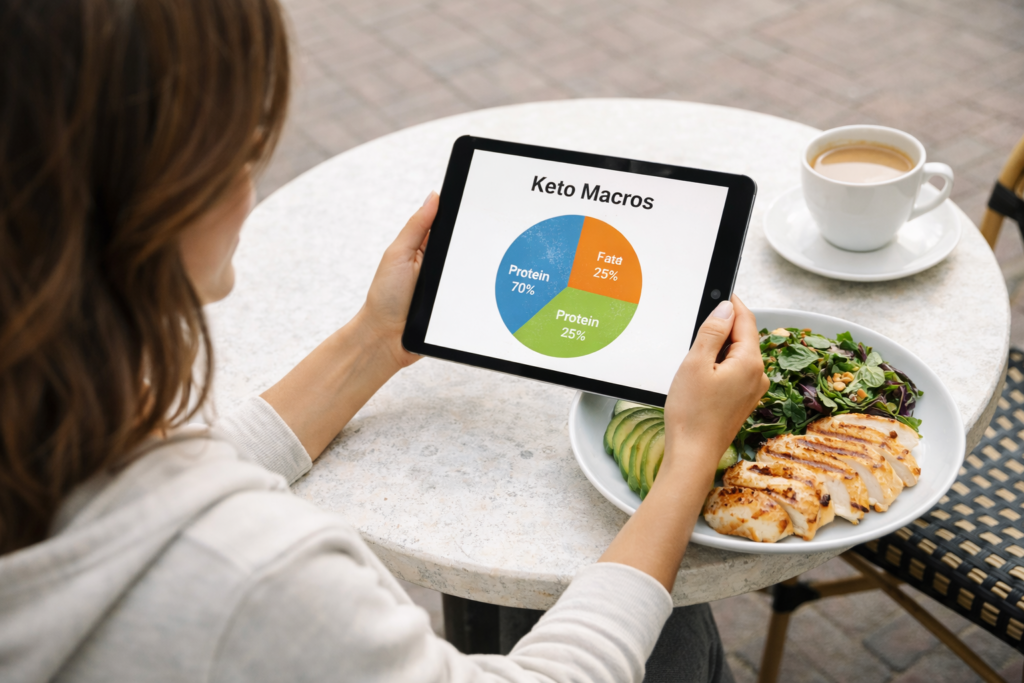
Before jumping into the list, it’s important to understand the macronutrient structure of keto.
Most ketogenic diets follow this ratio:
- 70–75% fats
- 20–25% protein
- 5–10% carbohydrates
That typically means keeping daily carbohydrates between 20–50 grams per day.
Because of this, your food choices must focus on:
✔ healthy fats
✔ moderate protein
✔ very low carbohydrates
Now let’s break down the foods that fit this structure.
Get our free keto recipe ebook with 20+ easy keto meals designed for fat loss.
Free Keto Recipe Ebook (Download Now)
1. Keto Protein Foods
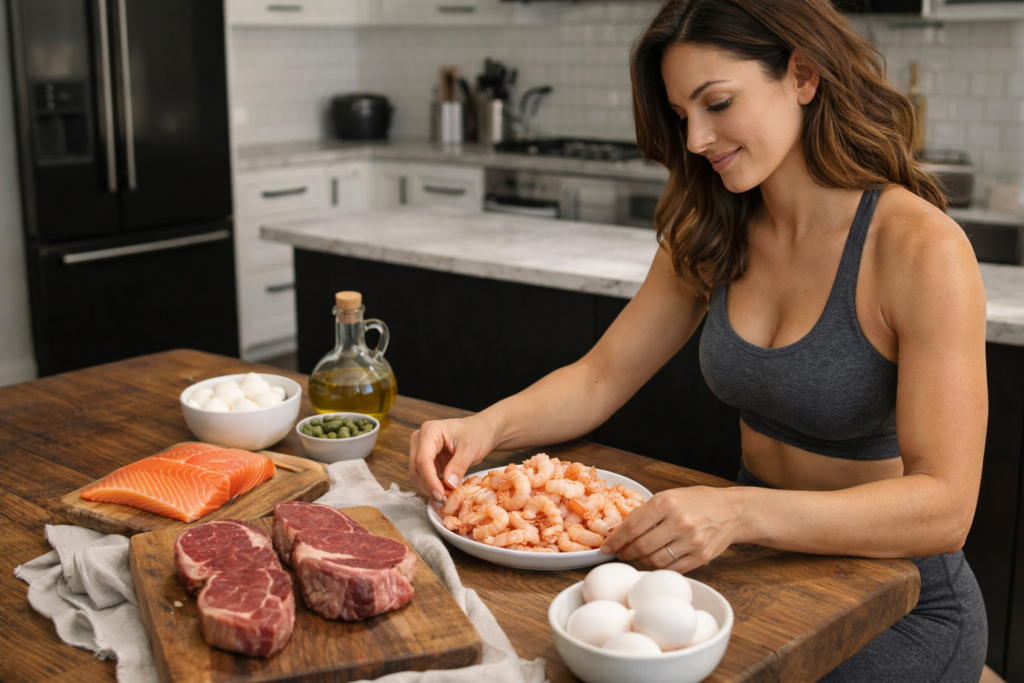
Protein plays a crucial role in maintaining muscle, metabolism, and satiety on keto. Most animal proteins contain little to no carbohydrates, making them ideal for the ketogenic diet.
Best Keto Protein Sources
Meat
- Beef
- Lamb
- Pork
- Ground beef
- Steak
- Bacon
Poultry
- Chicken
- Turkey
- Duck
- Chicken thighs
- Chicken wings
Seafood
- Salmon
- Tuna
- Sardines
- Mackerel
- Shrimp
- Crab
Eggs
- Whole eggs
- Organic eggs
- Free-range eggs
Eggs are particularly powerful because they provide high-quality protein and healthy fats while containing almost zero carbs.
Tips for Choosing Keto Proteins
Choose fattier cuts of meat when possible because they help meet keto fat requirements.
For example:
Good choices:
- Ribeye steak
- Chicken thighs
- Salmon
Lean choices (still good but lower fat):
- Chicken breast
- Lean turkey
- Lean beef
2. Healthy Fats (The Core of Keto)
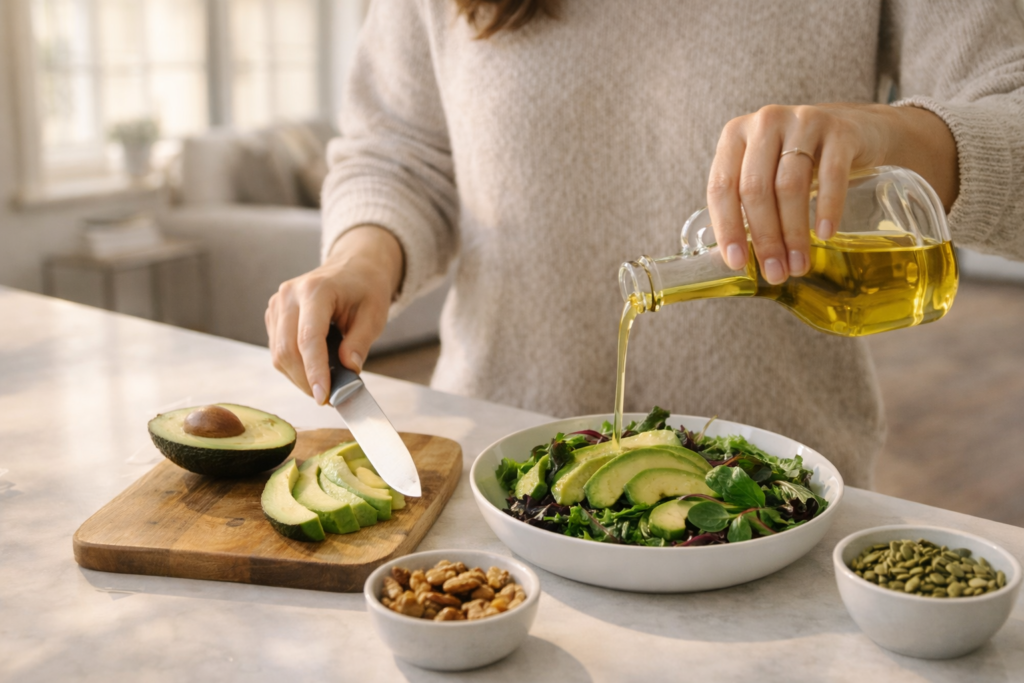
Healthy fats are the primary energy source on a ketogenic diet.
When carbs are restricted, your body begins using fat for fuel, making fat intake essential.
Best Keto Fats
Oils
- Olive oil
- Avocado oil
- Coconut oil
- MCT oil
Animal fats
- Butter
- Ghee
- Beef tallow
- Lard
Plant-based fats
- Avocados
- Olives
These fats are extremely helpful because they contain zero carbohydrates and help keep you in ketosis.
Why Healthy Fats Matter
Healthy fats:
- Provide sustained energy
- Support hormone balance
- Improve satiety
- Help maintain ketosis
However, it’s important to avoid processed vegetable oils such as soybean oil and sunflower oil because they are highly inflammatory.
3. Low-Carb Vegetables (Essential for Nutrients)
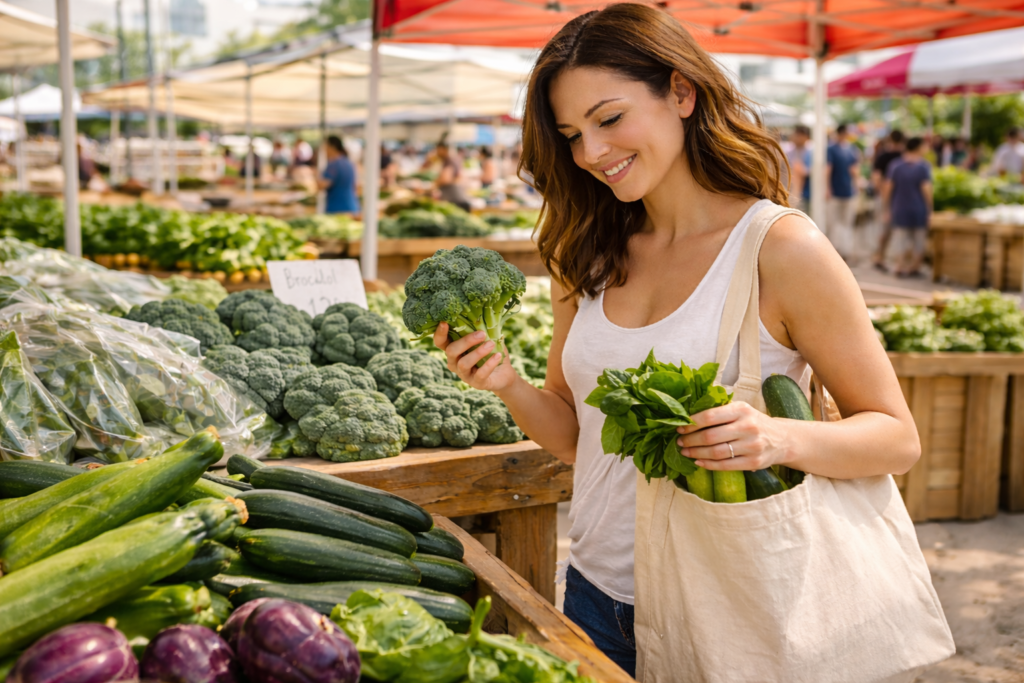
Vegetables are still important on keto, but only low-carb vegetables should be consumed regularly.
The rule is simple:
Vegetables that grow above the ground are generally lower in carbs.
Best Keto Vegetables
Leafy greens
- Spinach
- Kale
- Lettuce
- Arugula
- Swiss chard
Cruciferous vegetables
- Broccoli
- Cauliflower
- Brussels sprouts
- Cabbage
Other low-carb vegetables
- Zucchini
- Bell peppers
- Asparagus
- Mushrooms
- Cucumbers
- Eggplant
These vegetables are rich in:
- fiber
- vitamins
- antioxidants
At the same time, they keep carbohydrate intake low enough to maintain ketosis.
4. Full-Fat Dairy Products
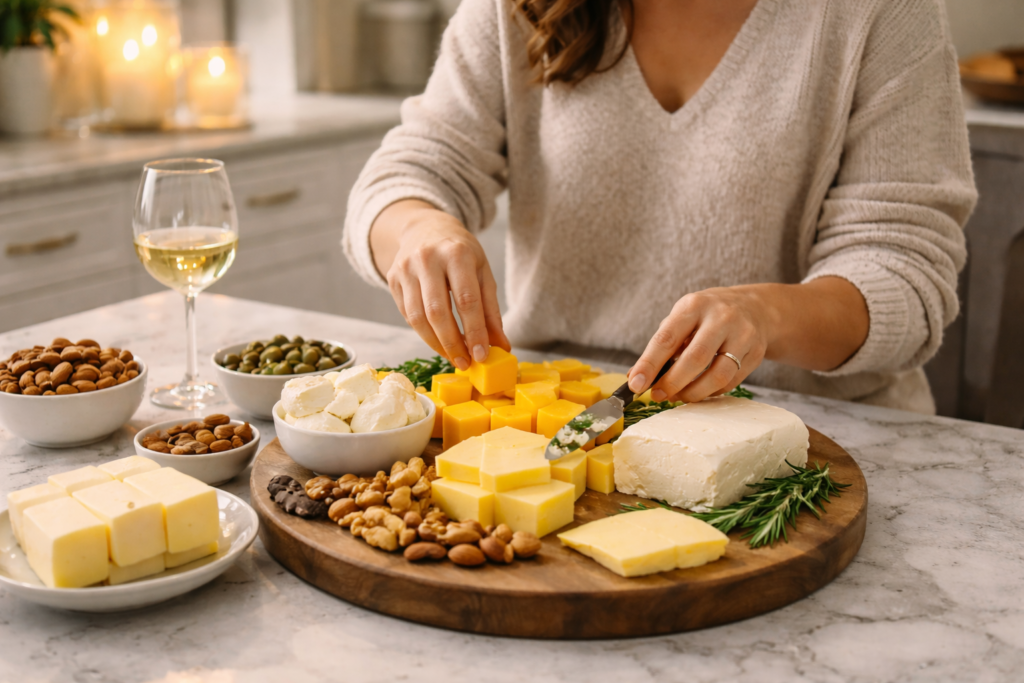
Dairy foods can be excellent additions to a keto diet if consumed in moderation.
The key rule is simple:
Always choose full-fat versions.
Keto-Friendly Dairy Foods
- Cheddar cheese
- Mozzarella
- Cream cheese
- Parmesan
- Heavy cream
- Sour cream
- Greek yogurt (unsweetened)
Cheese is particularly popular in keto diets because it contains minimal carbohydrates and plenty of fat, making it highly satisfying.However, some dairy products like milk contain natural sugars, which can increase carb intake.
5. Nuts and Seeds

Nuts and seeds are excellent snacks for keto because they provide a combination of:
- healthy fats
- fiber
- moderate protein
Best Nuts for Keto
- Almonds
- Macadamia nuts
- Pecans
- Walnuts
- Brazil nuts
Keto-Friendly Seeds
- Chia seeds
- Flaxseeds
- Pumpkin seeds
- Sunflower seeds
However, portion control is important because some nuts contain more carbs than others.
For example:
Low carb nuts:
- Macadamia
- Pecans
Higher carb nuts:
- Cashews
- Pistachios
6. Keto Fruits (Yes, Some Fruits Are Allowed)
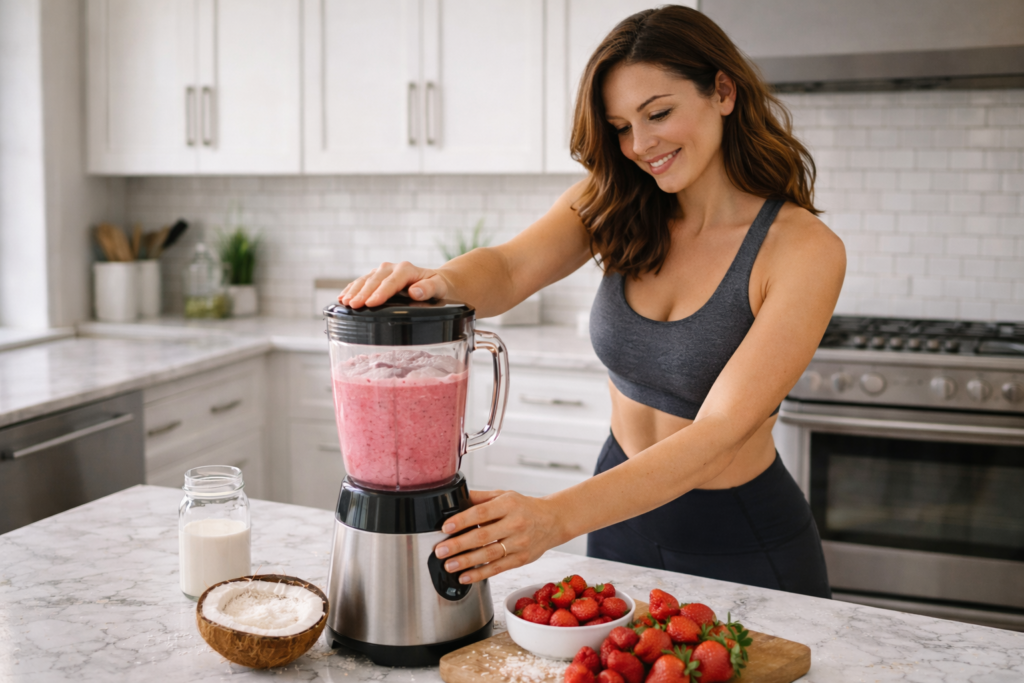
Many people believe fruit is completely forbidden on keto. That’s not entirely true.
Some fruits are naturally low in carbohydrates and can fit into a ketogenic diet.
Best Keto Fruits
- Avocados
- Strawberries
- Raspberries
- Blackberries
- Coconut
These fruits provide:
- fiber
- antioxidants
- vitamins
However, high-sugar fruits should still be avoided.
7. Keto Drinks

Many beverages are naturally keto-friendly.
Best Keto Drinks
- Water
- Sparkling water
- Coffee
- Tea
- Herbal tea
- Electrolyte drinks
You can also add:
- heavy cream
- coconut milk
- butter (for bulletproof coffee)
However, avoid sweetened drinks and fruit juices because they contain large amounts of sugar.
Foods to Avoid on Keto
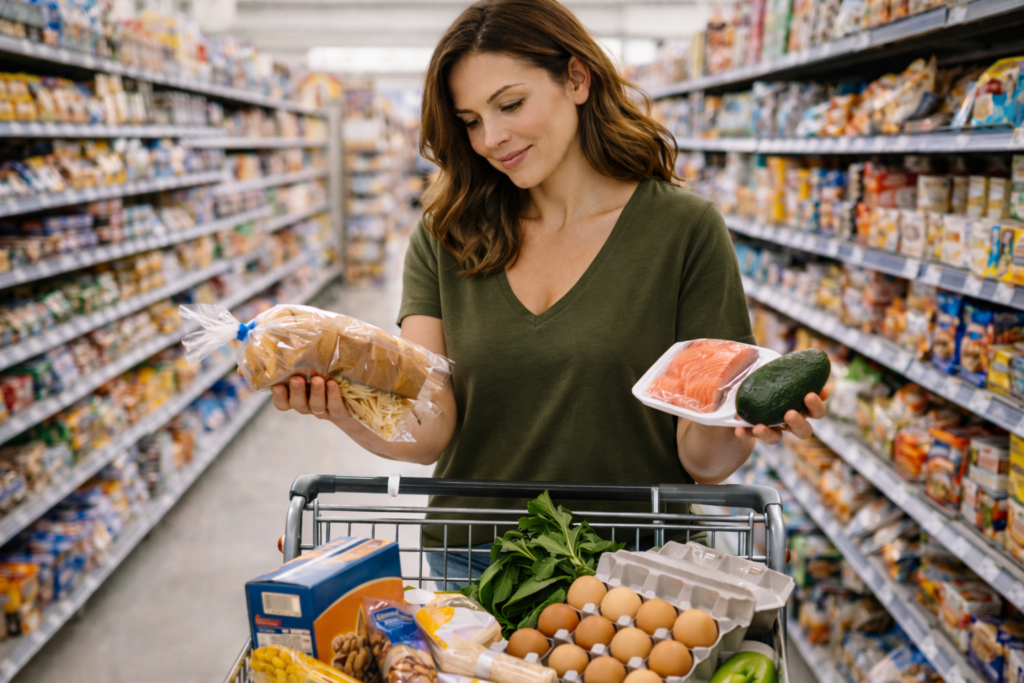
Knowing what not to eat is just as important as knowing what to eat.
These foods are typically too high in carbohydrates and can quickly stop ketosis.
High-Carb Foods to Avoid
Grains
- Rice
- Bread
- Pasta
- Oats
- Wheat
Sugary foods
- Candy
- Soda
- Cakes
- Cookies
- Ice cream
High-carb fruits
- Bananas
- Apples
- Grapes
- Mangoes
Starchy vegetables
- Potatoes
- Corn
- Sweet potatoes
These foods raise blood sugar levels and prevent the body from staying in ketosis.
Sample Keto Food Plate

A balanced keto meal often looks like this:
Example meal:
Grilled salmon + avocado salad + olive oil dressing
Macronutrient structure:
- healthy fats (olive oil + avocado)
- protein (salmon)
- fiber (vegetables)
This combination helps maintain ketosis while providing essential nutrients.
Printable Keto Food List (Quick Reference)
Here is a simplified version you can save or print.
Proteins
- Beef
- Chicken
- Turkey
- Eggs
- Salmon
- Tuna
Healthy Fats
- Olive oil
- Coconut oil
- Butter
- Avocado oil
Vegetables
- Spinach
- Broccoli
- Cauliflower
- Zucchini
- Mushrooms
Dairy
- Cheese
- Heavy cream
- Cream cheese
- Sour cream
Nuts
- Almonds
- Pecans
- Macadamia
Fruits
- Avocado
- Berries
Avoid
- Bread
- Rice
- Pasta
- Sugar
- Potatoes
Final Thoughts
The ketogenic diet doesn’t require complicated rules — just the right food choices.
If you focus on:
- healthy fats
- quality proteins
- low-carb vegetables
you’ll naturally keep your carbohydrate intake low and allow your body to stay in ketosis.
Using a structured keto food list also makes grocery shopping and meal planning much easier.
Once you understand which foods support ketosis, maintaining the ketogenic lifestyle becomes simple and sustainable.