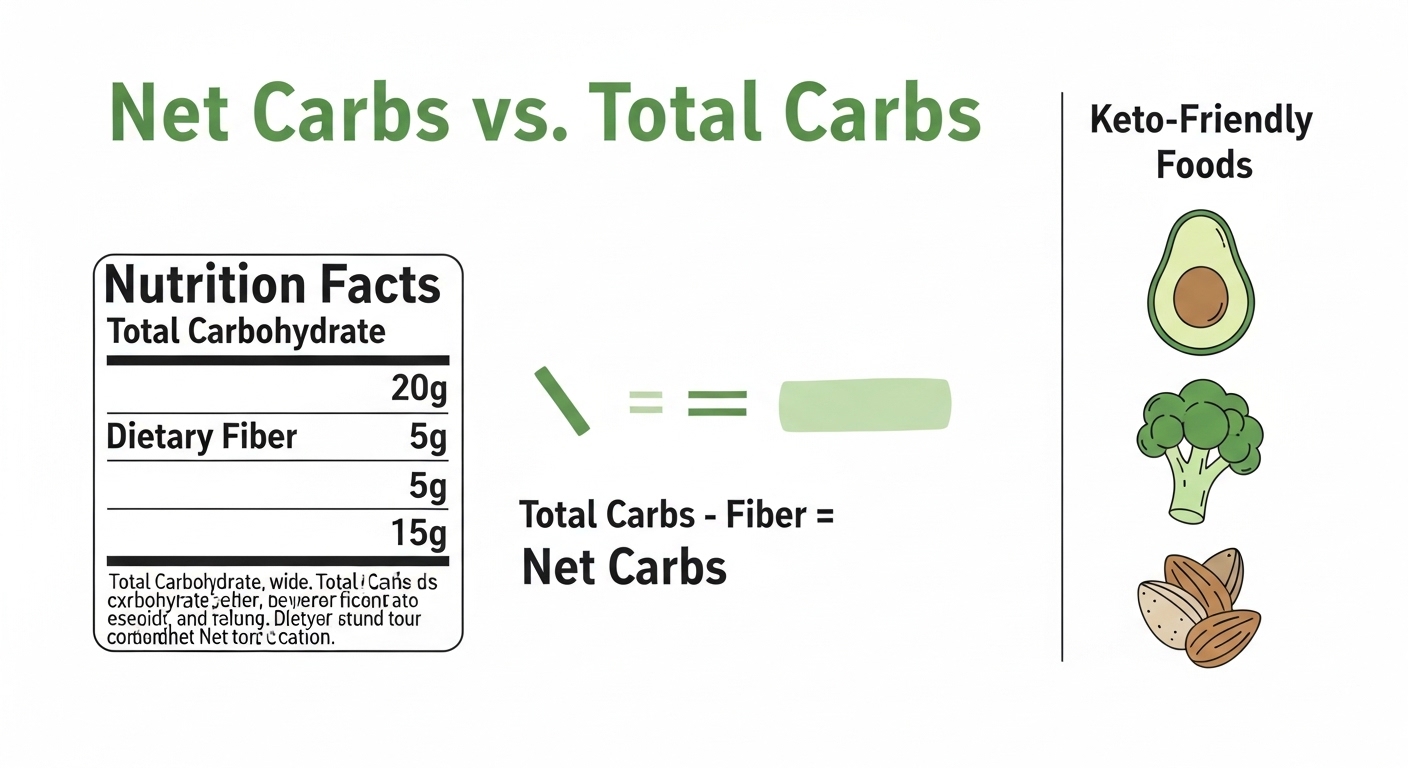
net carbs vs total carbs. Many people hear that they must limit carbohydrates to stay in ketosis, but food labels often list several different types of carbohydrates.
This leads to an important question:
Should you count total carbs or net carbs on keto?
Understanding the difference between these two numbers is essential for maintaining ketosis and making smarter food choices. Once you learn how net carbs work, tracking carbohydrates becomes much easier and more flexible.
In this guide, we’ll explain what net carbs are, how they differ from total carbs, how to calculate them, and why they matter for a ketogenic diet.
What Are Total Carbohydrates?
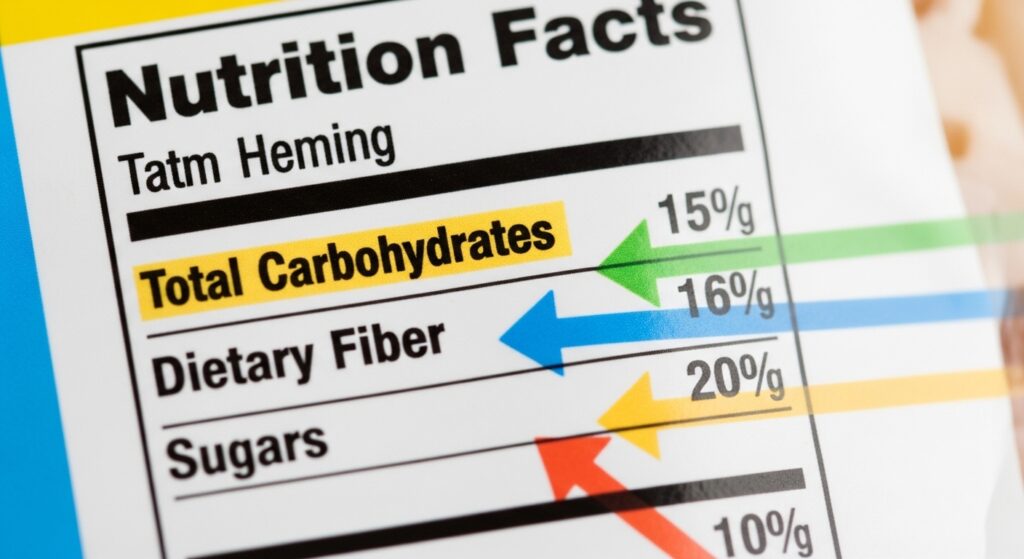
Total carbohydrates represent the complete amount of carbohydrates in a food product.
On nutrition labels, total carbohydrates typically include:
- Sugars
- Starches
- Fiber
- Sugar alcohols (in some processed foods)
In other words, total carbs represent every type of carbohydrate present in the food.
For example, a nutrition label might look like this:
| Nutrient | Amount |
| Total Carbohydrates | 15g |
| Dietary Fiber | 8g |
| Sugars | 4g |
At first glance, it might seem that this food contains 15 grams of carbs, which could make it difficult to fit into a keto diet.However, not all carbohydrates affect blood sugar the same way. This is where net carbs come in.
What Are Net Carbs?
Net carbs are the carbohydrates that actually impact blood sugar and insulin levels.
They are calculated by subtracting carbohydrates that the body does not fully digest, mainly fiber and certain sugar alcohols.
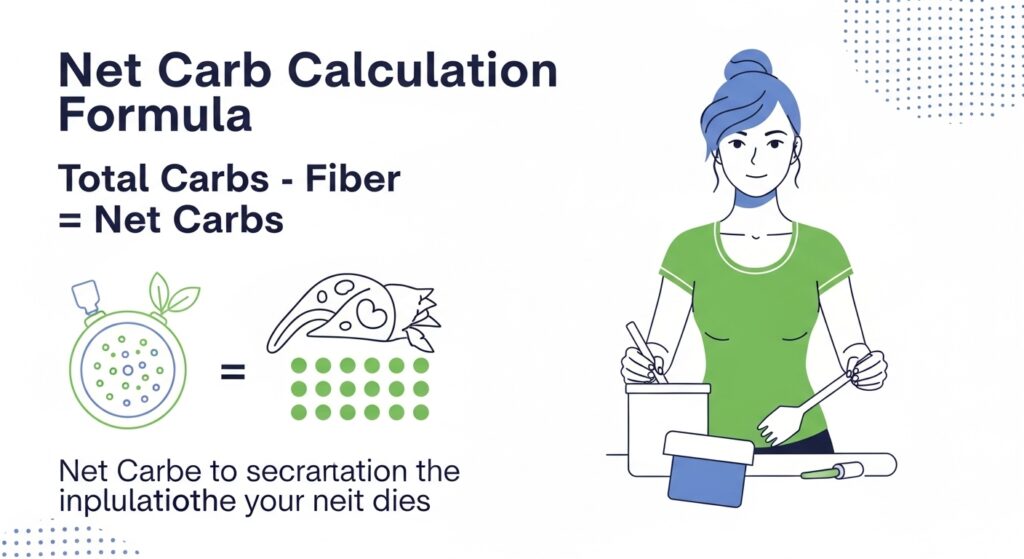
The basic formula for calculating net carbs is:
Net Carbs = Total Carbohydrates – Fiber
In some cases, sugar alcohols may also be subtracted, depending on the ingredient.
Using the earlier example:
| Nutrient | Amount |
| Total Carbs | 15g |
| Fiber | 8g |
Net carbs would be:
15g – 8g = 7g net carbsThis means the food only contributes 7 grams of digestible carbohydrates, which is the number most keto followers track.
Download our Keto Recipe Ebook and avoid the most common keto mistakes.
Why Net Carbs Matter on Keto
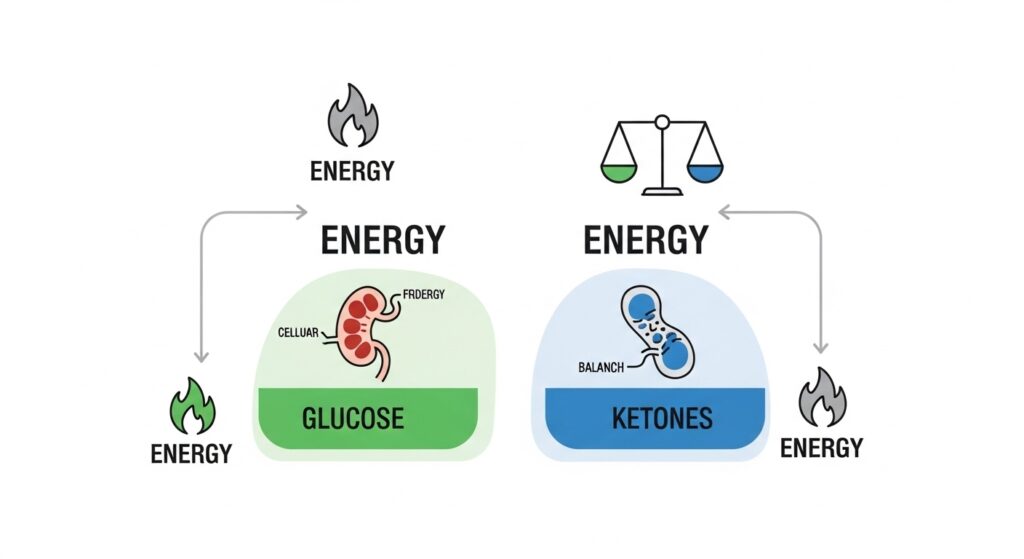
The ketogenic diet works by reducing carbohydrates enough to shift the body into ketosis, a metabolic state where fat becomes the primary fuel source. If you want to understand how this works step-by-step, see our structured keto diet plan.
If you’re unfamiliar with how this process works, our guide on what is ketosis explains how the body produces ketones and adapts to burning fat.
Most people need to keep their daily carbohydrate intake between:
20–50 grams of net carbs per day
Tracking net carbs instead of total carbs makes it easier to stay within this range while still enjoying nutrient-dense foods like vegetables.For example, many healthy vegetables contain fiber, which means their net carb count is much lower than their total carb count.
Why Fiber Doesn’t Count Toward Net Carbs
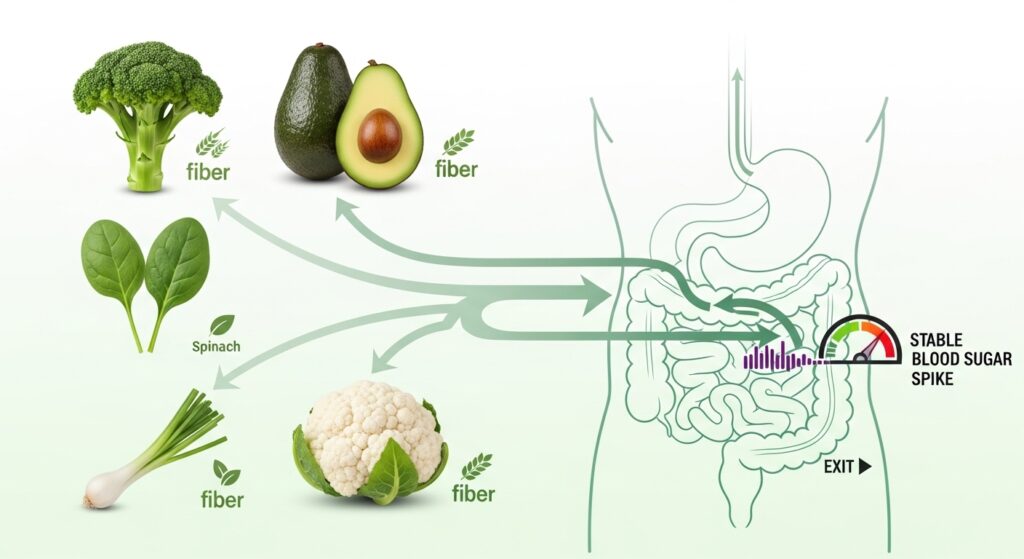
Fiber is technically a carbohydrate, but it behaves very differently from sugar or starch.
Unlike digestible carbs, fiber passes through the digestive system without significantly raising blood sugar levels.
Because fiber is not converted into glucose in the same way other carbohydrates are, it typically does not interfere with ketosis.
Fiber also provides several health benefits, including:
- Supporting digestive health
- Improving gut bacteria balance
- Helping control appetite
- Stabilizing blood sugar levels
For this reason, fiber is usually subtracted when calculating net carbs.
What About Sugar Alcohols?
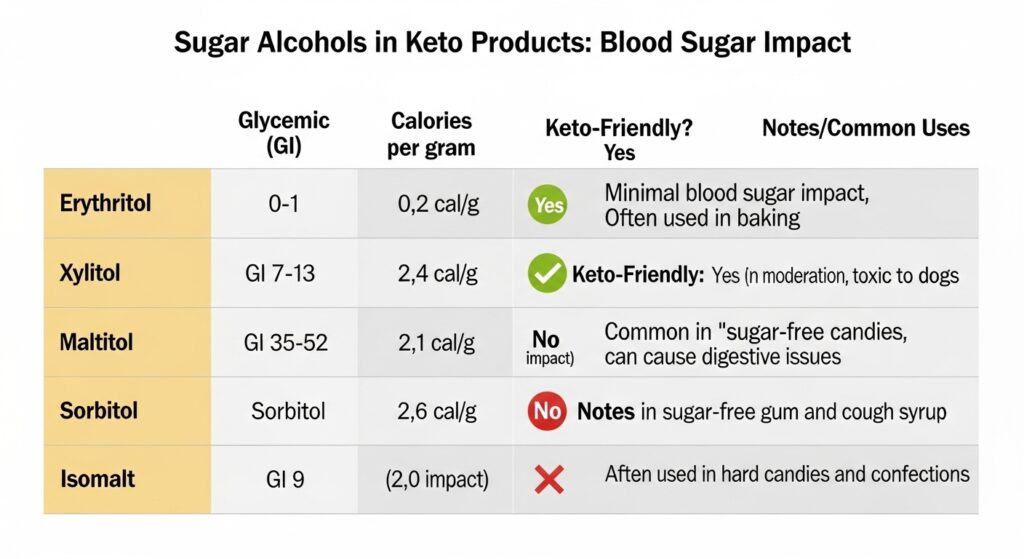
Sugar alcohols are often found in low-carb or keto-friendly packaged foods.
Some common sugar alcohols include:
- Erythritol
- Xylitol
- Sorbitol
- Maltitol
Not all sugar alcohols affect blood sugar equally.
Erythritol, for example, has almost no impact on blood glucose levels and is commonly subtracted when calculating net carbs.
However, other sugar alcohols like maltitol can raise blood sugar and may slow ketosis if consumed in large amounts.
Because of this, many keto experts recommend being cautious with heavily processed “keto” snacks.In the early stages of keto, it’s usually best to focus on whole foods rather than packaged products.
Examples of Net Carbs in Common Keto Foods
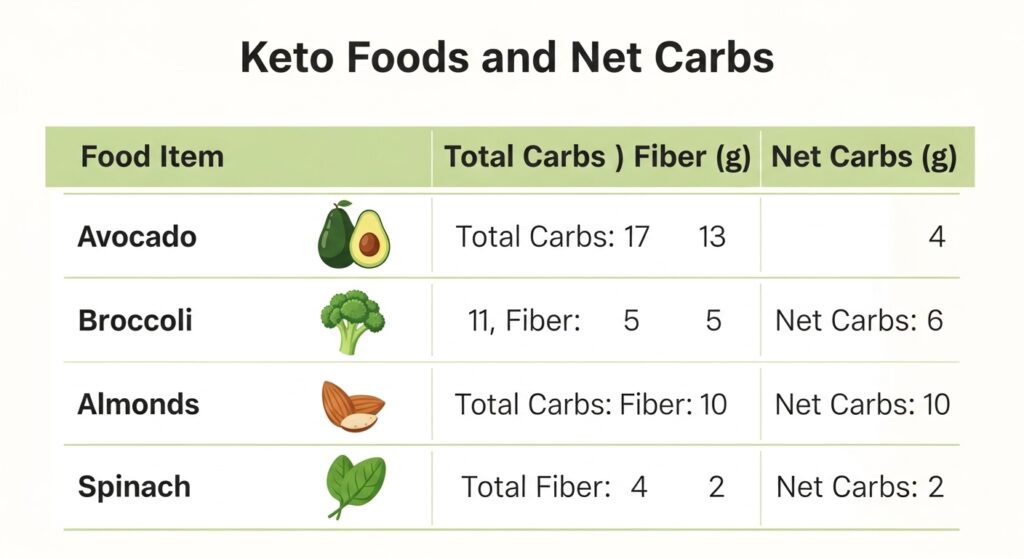
Here are some examples of how net carbs work in everyday keto-friendly foods.
| Food | Total Carbs | Fiber | Net Carbs |
| Avocado (1 medium) | 12g | 10g | 2g |
| Broccoli (1 cup) | 6g | 2g | 4g |
| Almonds (30g) | 6g | 3g | 3g |
| Spinach (1 cup) | 1g | 0.7g | 0.3g |
These foods appear higher in carbohydrates when looking at total carbs, but their net carb count is much lower, making them perfect for keto.You can find many more examples in our complete keto food list, which helps beginners identify keto-friendly ingredients.
Should You Track Net Carbs or Total Carbs?
Most people following a ketogenic diet track net carbs rather than total carbs.
This approach allows for greater flexibility and makes it easier to include nutrient-rich foods like:
- Leafy greens
- Broccoli
- Cauliflower
- Avocados
- Nuts and seeds
These foods contain carbohydrates but also provide fiber, vitamins, and minerals that support overall health.
Tracking net carbs helps maintain ketosis without unnecessarily restricting healthy foods.
When Total Carbs May Matter
While net carbs work well for most people, some individuals prefer to track total carbohydrates instead.
This approach is sometimes used by people who:
- Are extremely sensitive to carbohydrates
- Have insulin resistance or metabolic conditions
- Want stricter carbohydrate control
Tracking total carbs can simplify calculations, but it may also restrict some nutritious foods that contain fiber.
For most beginners, focusing on net carbs is usually sufficient.
Common Mistakes When Counting Net Carbs
Understanding net carbs can make keto much easier, but beginners sometimes make a few mistakes.
1. Ignoring Portion Sizes
Even keto-friendly foods can add up if portions are too large. Always pay attention to serving sizes when calculating carbs.
2. Relying Too Much on Processed Keto Snacks
Many packaged keto products contain artificial ingredients or misleading carb calculations. Whole foods are usually a better option.
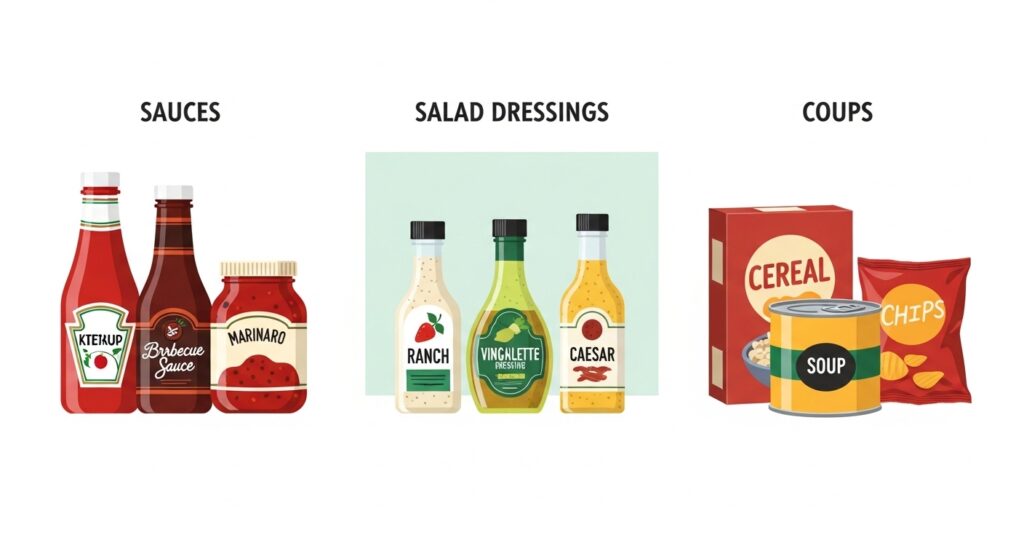
3. Forgetting Hidden Carbs
Some foods contain hidden sugars or starches, including:
- Sauces
- Salad dressings
- Flavored yogurts
- Packaged condiments
Reading nutrition labels carefully helps avoid accidentally exceeding your carb limit.
How Many Net Carbs Should You Eat Per Day?
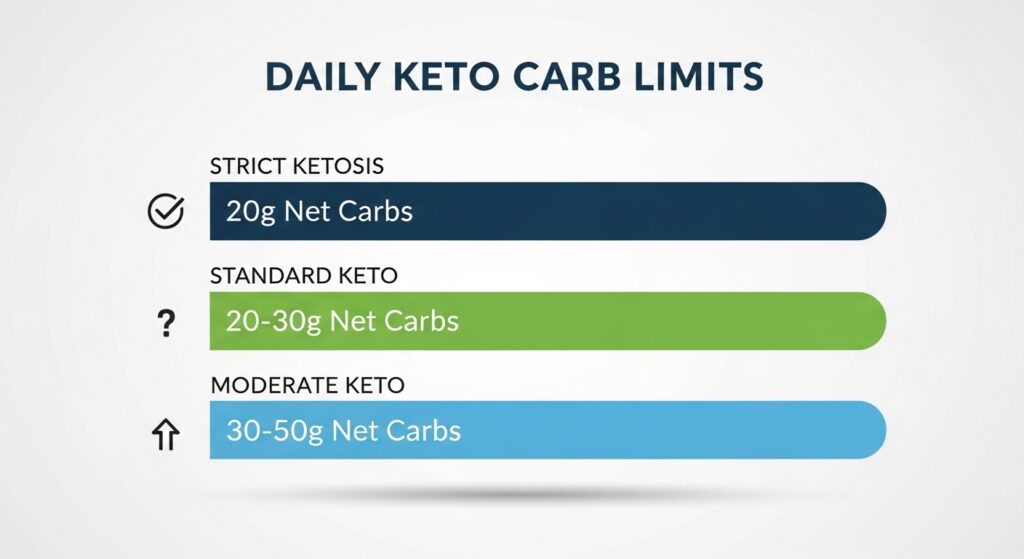
The ideal carb limit varies depending on the individual, but most ketogenic diets recommend:
| Goal | Net Carbs Per Day |
| Strict ketosis | 20g |
| Standard keto | 20–30g |
| Moderate keto | 30–50g |
Beginners often start between 20 and 30 grams of net carbs per day to ensure their body enters ketosis.If you’re just beginning your keto journey, our keto diet for beginners guide explains how to structure your first month.
Do Net Carbs Affect Weight Loss?
Yes, net carbs can influence weight loss because they affect insulin levels and the body’s ability to enter ketosis.
When carbohydrate intake stays low, the body begins burning stored fat for energy instead of relying on glucose.
This metabolic shift is one reason many people experience fat loss and improved appetite control on keto.
However, weight loss also depends on other factors such as:
- Calorie intake
- Activity level
- Hormonal balance
- Metabolic health
Net carbs are only one part of the equation.
Final Thoughts

Understanding net carbs vs total carbs is one of the most important concepts for anyone starting a ketogenic diet.
While total carbohydrates represent all carbs in a food, net carbs represent the digestible carbohydrates that affect blood sugar and ketosis.
By focusing on net carbs, you can enjoy fiber-rich foods like vegetables, nuts, and seeds while still maintaining ketosis.
For most people, keeping daily intake between 20 and 50 grams of net carbs is enough to support a ketogenic lifestyle.
Once you understand how net carbs work, tracking carbohydrates becomes far simpler — and staying in ketosis becomes much easier.