
Starting a ketogenic diet can be exciting, especially when you’re aiming for weight loss, better energy levels, and improved metabolic health. However, many beginners experience something commonly known as the keto flu during the first few days of transitioning to a low-carbohydrate lifestyle.
The good news is that keto flu is temporary and manageable. Once you understand why it happens and how to handle it, you can transition into ketosis smoothly and continue your keto journey with confidence.
In this guide, we’ll explain keto flu symptoms, why they happen, and how proper hydration, electrolytes, and supplements can help you avoid them.
What Is Keto Flu?
Keto flu refers to a group of symptoms that some people experience when their body switches from using carbohydrates as its primary fuel source to using fat and ketones.
This transition phase occurs when your body enters ketosis, a metabolic state where fat becomes the main energy source instead of glucose.
If you’re new to keto, it’s helpful to understand the science behind this process. Our guide on what is ketosis explains how ketones are produced and why the body needs time to adapt.
During the first few days of cutting carbs, your body is essentially relearning how to produce energy efficiently, which can lead to temporary discomfort.
Common Keto Flu Symptoms
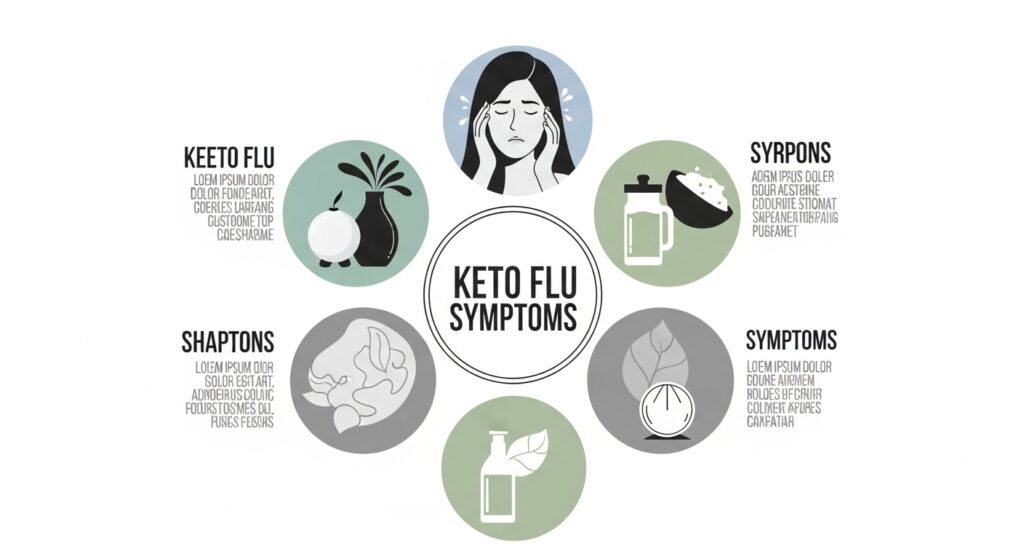
The severity of keto flu symptoms varies from person to person. Some people barely notice the transition, while others may feel mild discomfort for a few days.
Here are the most common keto flu symptoms:
1. Fatigue and Low Energy
One of the earliest symptoms is feeling unusually tired. Since your body is used to burning carbohydrates for quick energy, the sudden reduction in carbs can temporarily lower your energy levels.
2. Headaches
Headaches are very common during the keto transition. This often occurs due to electrolyte imbalance and dehydration, which are typical when the body begins losing stored glycogen.
3. Brain Fog
Many beginners report difficulty concentrating or mental sluggishness during the first few days of keto. This usually disappears once the brain adapts to using ketones for fuel.
4. Muscle Cramps
Low levels of sodium, potassium, and magnesium can lead to muscle cramps or weakness during the early phase of keto.
5. Irritability or Mood Changes
Reducing carbohydrates can temporarily affect serotonin levels, which may cause irritability or mood swings.
6. Digestive Issues
Some people experience mild digestive changes such as constipation or stomach discomfort while adjusting to higher fat intake. These symptoms usually appear within the first 2–5 days after starting keto and typically resolve within a week.
Download our Printable Keto Food List + Beginner Grocery Guide and avoid the most common keto mistakes.
Why Keto Flu Happens
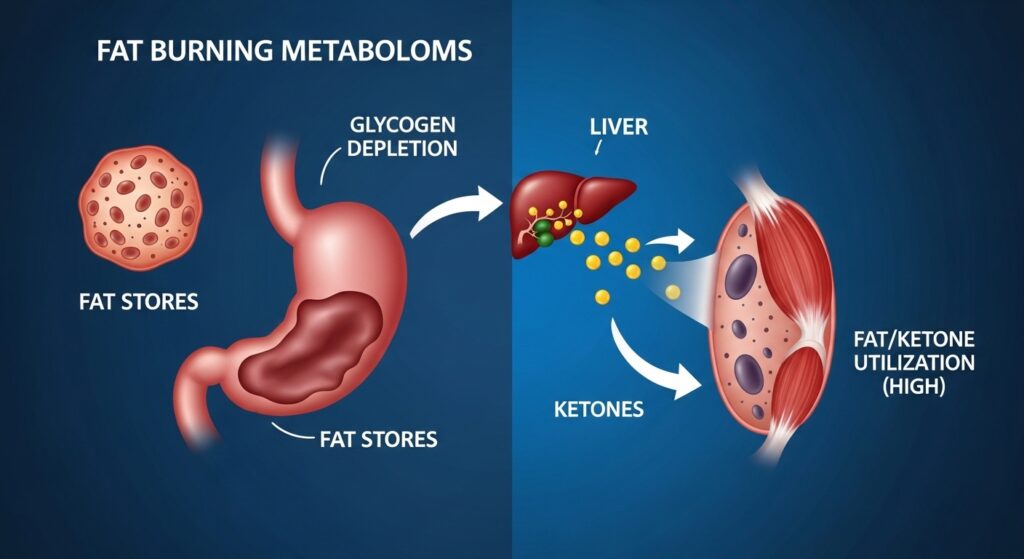
To understand keto flu, you need to understand what happens inside the body when carbohydrates are drastically reduced.
Glycogen Depletion
Carbohydrates are stored in the body as glycogen in the liver and muscles. Each gram of glycogen is stored with several grams of water.
When you reduce carb intake, glycogen stores become depleted. As a result, your body releases a significant amount of water, which leads to rapid fluid loss.
This is one reason many people notice quick weight loss in the first week of keto.
Electrolyte Loss
Along with water, important electrolytes such as:
- Sodium
- Potassium
- Magnesium
are also flushed out of the body.
When these electrolytes drop, it can cause many of the classic keto flu symptoms like fatigue, headaches, and muscle cramps.
Metabolic Adaptation
Your body also needs time to become fat-adapted, meaning it efficiently burns fat and ketones for energy instead of glucose.
This metabolic adjustment period can temporarily reduce energy levels until the body becomes fully adapted.
Electrolytes: The Key to Avoiding Keto Flu
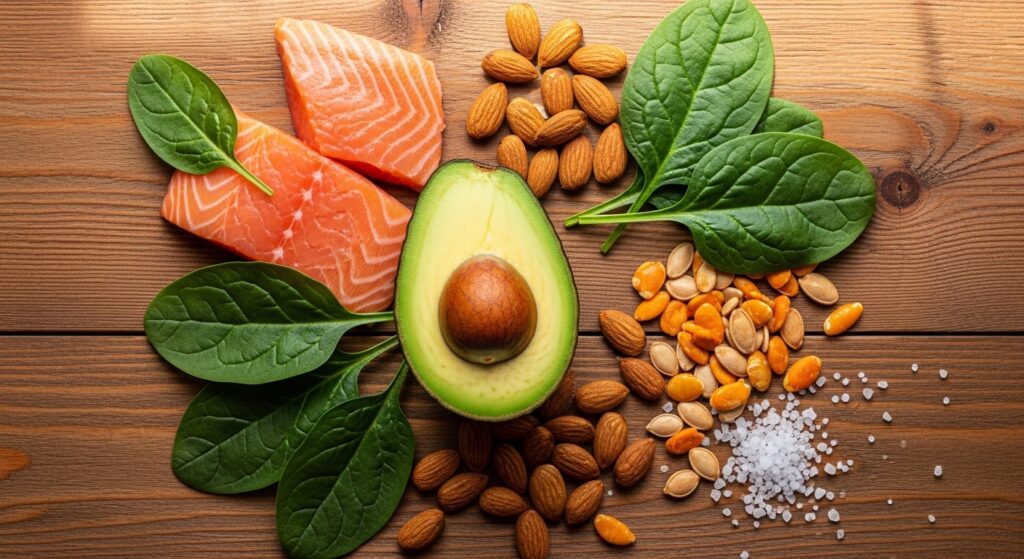
One of the most effective ways to reduce keto flu symptoms is to maintain proper electrolyte balance.
Many beginners mistakenly think keto flu is unavoidable, but in most cases it’s simply caused by low electrolytes.
Sodium
Sodium is the most important electrolyte during keto adaptation.
Low insulin levels on keto cause the kidneys to release sodium more rapidly, which can lead to fatigue and headaches.
Good sodium sources include:
- Bone broth
- Sea salt
- Pickles
- Olives
Many keto experts recommend adding extra salt to meals during the first week of keto.
Potassium
Potassium helps regulate muscle function and fluid balance.
Low potassium levels can cause muscle cramps, weakness, and fatigue.
Keto-friendly potassium foods include:
- Avocados
- Spinach
- Mushrooms
- Salmon
You can find many of these foods in our complete keto food list, which helps beginners choose keto-friendly ingredients.
Magnesium
Magnesium plays an important role in muscle relaxation, sleep quality, and nerve function.
Low magnesium levels can contribute to:
- Muscle cramps
- Poor sleep
- Fatigue
Keto-friendly magnesium sources include:
- Almonds
- Pumpkin seeds
- Dark leafy greens
Some people choose to take a magnesium supplement during the first few weeks of keto.
The Keto Hydration Plan

Proper hydration is another essential factor in avoiding keto flu.
Because the body loses water quickly during the first stage of ketosis, many people become mildly dehydrated without realizing it.
Daily Hydration Tips
To stay properly hydrated during keto adaptation:
• Drink 2.5–3.5 liters of water per day
• Add a pinch of sea salt to water once or twice daily
• Drink electrolyte-rich beverages such as bone broth
• Increase water intake after workouts
A simple routine many keto beginners follow is drinking a glass of water with a pinch of salt in the morning.
This helps replenish sodium lost overnight and can prevent headaches.
Supplements That Can Help During Keto Adaptation

While whole foods should always be the priority, certain supplements may help reduce keto flu symptoms.
Electrolyte Supplements
Electrolyte powders or capsules containing sodium, potassium, and magnesium can help maintain balance during the early phase of keto.
These are especially useful for people who:
- Exercise frequently
- Sweat heavily
- Experience frequent cramps
Magnesium Supplements
Magnesium supplements can help with:
- Muscle cramps
- Sleep quality
- Relaxation
Many keto followers take magnesium before bedtime to improve sleep.
MCT Oil
Medium-chain triglycerides (MCTs) are fats that are quickly converted into ketones.
MCT oil can provide fast energy during the keto transition and may help reduce fatigue.
However, it should be introduced gradually to avoid digestive discomfort.
How Long Does Keto Flu Last?
For most people, keto flu lasts between 3 and 7 days.
The symptoms usually disappear once the body begins producing enough ketones for energy.
Following a structured keto diet plan can make the transition much smoother and help minimize these symptoms.
If you’re just starting keto, our keto diet for beginners guide provides a step-by-step approach for your first month.
Tips to Avoid Keto Flu Completely

While some people experience mild symptoms, many beginners avoid keto flu entirely by preparing properly.
Here are the most effective prevention strategies:
✔ Increase sodium intake early
✔ Stay well hydrated
✔ Eat potassium-rich keto foods
✔ Ensure adequate magnesium intake
✔ Gradually reduce carbohydrates instead of stopping abruptly
✔ Get enough sleep and avoid excessive exercise in the first week
These simple steps can dramatically reduce the chances of experiencing keto flu.
Final Thoughts
Keto flu can feel discouraging for beginners, but it’s simply a temporary adjustment phase as your body transitions from burning carbohydrates to burning fat.
Most symptoms are caused by electrolyte imbalances and dehydration, which means they can often be prevented with proper hydration and mineral intake.
Once your body becomes fat-adapted, many people report increased energy, improved focus, and reduced hunger.
By understanding the causes of keto flu and following the right hydration and electrolyte strategies, you can transition into ketosis smoothly and continue progressing toward your health goals.